If you’re feeling like your mind is constantly pulled in a thousand digital directions, you’re not alone. My phone lights up with notifications throughout the day, my inbox fills at lightning speed, and social feeds seem endless. After hours of this digital buzzing, my brain feels foggy, restless, and anxious. I started realizing how much all the scrolling, clicking, and responding was costing me in terms of real quietness, focused attention, and genuine presence with the people and moments that matter most.
That drained and distracted state isn’t just in my head. Science keeps connecting digital clutter to higher anxiety, chronic distraction, and trouble being present. If you’ve ever felt mentally exhausted just from a day online, it makes complete sense. All that incoming information eats up space in your mind, crowding out clarity and calm.
But here’s an idea I keep circling back to, especially on the harder days: what if life actually feels lighter with less digital input? What if trimming down your digital noise could help you reclaim mental space and tap into the kind of deep, relaxed attention you wish you had?
What is Digital Minimalism?
Digital minimalism is about being intentional with how you use technology. I first stumbled onto this term through Cal Newport’s work. In his book, he shares how digital minimalism isn’t about ditching your phone or escaping the internet. It’s about choosing tech that supports your real values and getting rid of everything else.
Think of digital minimalism a bit like decluttering your house. I keep what genuinely adds value to my life. That means using tech with care and purpose, not just out of habit. I’m not against technology at all. In fact, mindful tech use helps me work smarter, learn new things, and connect with people who inspire me.
The real shift comes from using these tools to support my goals instead of letting them run my day. It’s like saying, “I’m in charge of my screen time, not the other way around.”
What’s striking is how digital minimalism isn’t simply a cool trend. It holds the potential to help people everywhere find sacred space within themselves and in their relationships. When I first checked out stories from folks who adopted this approach, I noticed a common thread: a stronger sense of freedom and a newfound energy to focus on what matters most. Instead of dividing their attention a hundred different directions, people grew more present and connected with their true priorities.
The Connection Between Digital Minimalism and Presence
The biggest wake-up call for me was noticing how easy it is to get sucked into tech reactivity. I found myself endlessly refreshing news apps or jumping at every ping. Eckhart Tolle, in his work on presence, describes this as getting swept up by compulsive thoughts so you miss being fully in the here and now. Those moments of scrolling on autopilot? My awareness disappears, and I’m not choosing how to spend my time.
Digital minimalism gives me a way out of this loop. By paring down distractions, my mind finally quiets enough to notice what’s actually happening in the moment. I can feel my breath, see the sun outside, hear a conversation with a friend. Removing digital clutter clears a path for awareness to show up. It’s way easier to practice real presence when unnecessary pings and popups aren’t hijacking my attention every few seconds.
Here’s something else I noticed. Once I reduced unnecessary digital input, my ability to be present improved outside of screen time as well. I started spotting moments when my mind began to wander, even in non-digital settings, and brought my attention back. Practicing presence in both online and offline spaces fed into each other, creating a positive cycle of awareness over time. This reminds me of the deeper practices I explore in my post about How to Stay Present When Life Gets Hard, where simple techniques can transform ordinary moments.
Signs You Might Need a Digital Detox

I only truly noticed my own overload after paying attention to these little patterns in daily life. If more than a few of these sound way too familiar, your digital life might be ripe for a refresh:
- You reach for your phone before you even get out of bed.
- It feels almost impossible to focus on one task without checking messages or scrolling.
- You feel “busy” even during breaks, downtime, or meals, like your brain just won’t calm down.
- Your sleep is restless because you’re tempted to check your phone late at night or right away in the morning.
- You sometimes find yourself scrolling or replying and later realize you didn’t even want or need to.
- Your memory and attention just aren’t what they used to be, everything feels a little scattered.
I kept telling myself I was just “staying connected,” but realizing how much these habits owned my time was a big motivator for change. These patterns often feed into the overthinking loops I discuss in How to Stop Overthinking, where mental clutter creates unnecessary stress.
It’s common to shrug off these symptoms as normal pieces of modern life. But taking time to check in with yourself, and really listen to your mind and body, can act as a key moment of realignment. If you find yourself craving a breather or longing for more depth in your daily interactions, it might be time to experiment with dialing back the digital noise.
Practical Steps to Reduce Screen Time and Reclaim Mental Space
Moving towards digital minimalism doesn’t mean flipping a switch and going off grid. Small, thoughtful steps go a long way. Here’s how I started taking back my mental space, one change at a time:
Audit Your Digital Life
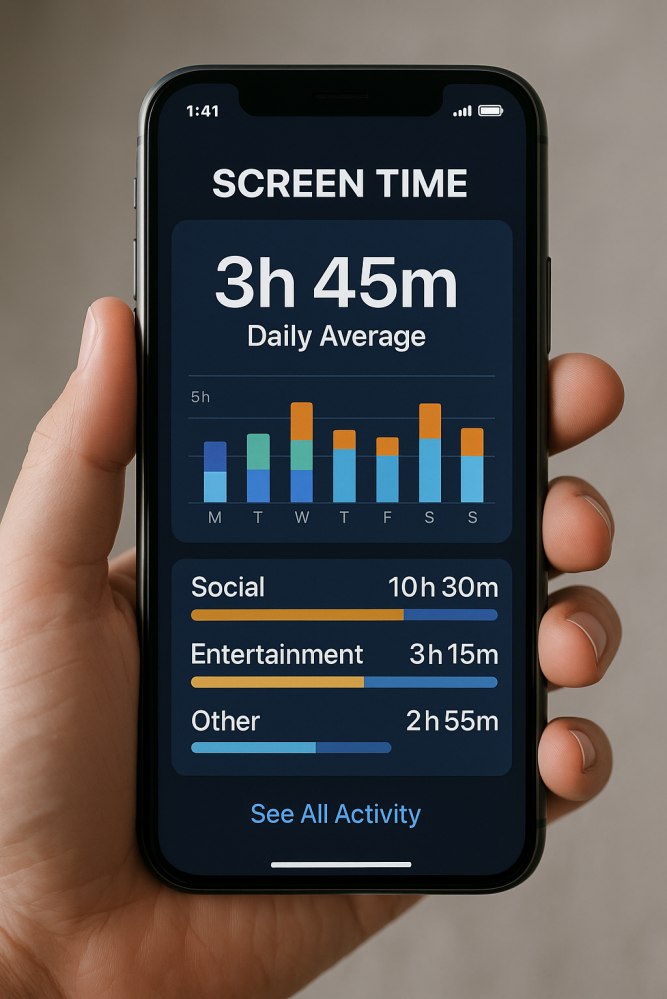
Start by tracking your screen time. Most phones and computers now show you how much time you spend on each app or activity. The first time I checked, I was honestly shocked at how much of my day was eaten up just tapping and scrolling.
Look for what I call “high drain” apps or mindless browsing loops. Maybe it’s social media, endless emails, or streaming that doesn’t actually relax you. Make a list of which tech tools really support your goals and which just leave you frazzled.
Don’t forget to include all your devices when you check your usage. That means computers, tablets, smartwatches, and even those “just for a minute” visits to entertainment platforms. Tracking over a few days gives you a real picture of your digital habits and helps you spot easy first fixes.
Create Tech-Free Anchor Points for Mindful Tech Use
I started giving myself protected periods every day, little slices of time with no screens at all. My phone stays on airplane mode or in another room first thing in the morning. This slow entry helps me actually meet the new day, not just react to it.
Meals are now phone-free in my house. Not only does food taste better, but real conversations happen more naturally. The change was immediate and powerful.
Resisting the urge to use my phone in bed, even as an alarm or for Netflix, has totally changed how well I wind down at night. Books, stretching, or gentle music work so much better for getting ready to sleep.
Try picking a small daily ritual when you keep your devices away. Maybe it’s a quick shower, a morning walk, or reading a few pages before bed. These tech-free anchor points create powerful signals for your mind to slow down and become present. They don’t require a drastic lifestyle adjustment either.
Use Tools, Not Toys

One of the easiest hacks I tried was reorganizing my phone so only the true “tools” live on my home screen. Calendar, maps, notes stayed visible. I moved social media and news to hidden folders several swipes away. My phone stopped being a toy and started feeling more useful again.
I turned off most notifications. Now, only calls or direct messages from priority contacts show up, and only when I want them. Silent mode is my friend. Try experimenting with “do not disturb” hours, especially during deep work or rest time.
You can also use device settings to limit app usage. Set reminders or even scheduled lockouts for the apps that eat up most of your time and energy. These built-in limits are easy to adjust as your needs change.
Schedule Disconnection Windows for Your Digital Detox

Blocking out just an hour a day for a mini digital sabbatical is game-changing. No phone, no computer, no TV, just a real break. Sometimes I read, walk, meditate, or just stare out the window. I look forward to these little “resets” now.
When possible, I take a whole day every so often for a complete digital detox. I plan outdoor time, hobbies, exploring new places, or catching up with friends face to face. It’s amazing how recharged I feel after just 24 hours off the grid.
Even a short break can provide valuable insight about your habits. If the idea of a full day off digital sounds daunting, start small. Try a half hour before dinner or a self-care Sunday morning with no screens. The goal is to rebuild your capacity for boredom and unstructured time. This becomes a secret superpower for creativity and resilience.
Practice Presence During Screen Use
Not all screen time is bad. But I try to check in with myself before mindlessly opening an app: “Am I using this for something helpful right now, or am I just escaping boredom?”
Mini check-ins throughout the day help too. Just pausing and taking a breath when I notice myself on autopilot helps me snap out of the unconscious scrolling trance. It brings me back to intentional use instead of digital drift.
Practicing single-tasking is underrated. Turn multitasking into a mindful choice. If you’re writing an email, just write that email. Music, notifications, and messages can wait. Giving your full attention to one thing, even for a short stretch, helps train your focus and can make digital tasks more satisfying.
The Deeper Benefits of Digital Minimalism

Shifting toward digital minimalism had a ripple effect I wasn’t expecting. I noticed, bit by bit, some pretty sweet changes in my daily life:
My focus improved. With fewer distractions, my mind actually settles enough to read, work, and create in deep stretches. I come up with fresh ideas way more often when my mental space isn’t jammed up.
The general cloud of anxiety in my head started to lift. By not keeping up with every piece of news or endless notifications, my mood feels steadier. I don’t get as stressed about minor stuff.
Relationships got stronger and conversations deepened. When I put down my phone, I really hear and see my loved ones. It’s wild how much more connected I feel after just a few device-free meals or walks. This deeper presence echoes what I explore in Presence vs. Mindfulness – What’s the Real Difference?, where being fully here transforms our connections.
My self-reflection and spiritual practice deepened. The space I gained from less digital clutter gave me room for meditation, journaling, and quiet reflection. Pausing to just notice thoughts and feelings is easier when life isn’t filled to the brim with digital input.
There’s also a creativity boost that comes with less digital overload. When your mind isn’t pulled in a thousand directions by notifications and feeds, you have more space to think, to let ideas blossom, and to explore passions or hobbies you may have neglected. Even boredom, something many of us try to swipe away, becomes a pathway to deeper curiosity and inspiration.
Overcoming Common Obstacles to Reduce Screen Time
It’s normal to hit a few bumps when building digital minimalism into your everyday routine. Here’s how I worked through the most common ones:
Managing Fear of Missing Out (FOMO)
Honestly, I worried about missing something important. News, funny memes, or social events might pass me by if I cut back online. I realized this was just another loop of anxiety. The truth is, the stuff that truly matters finds you. Friends will still reach out, real news doesn’t require hourly checks, and missing occasional trivia is actually pretty freeing.
Balancing Work Requirements
Some jobs expect an “always-on” attitude. I started setting clear work boundaries, silencing notifications after working hours, and batch-checking my email at set times instead of being glued to my inbox. Most clients and coworkers respected this more than I thought possible. It helped me be more focused and responsive when I was actually online.
Dealing with Social Pressure
Friends or family might joke about your “digital detox.” I started sharing why these changes mattered to me. I explained I’m making space for real presence, not avoiding anyone. Plus, a lot of people ended up being inspired to try their own screen breaks.
It’s helpful to remember you can’t and don’t need to do this perfectly. Any amount of intentional digital minimalism brings clearer mental space and richer experiences to your real life. If you have family members or kids, you can invite them to join you for short tech-free times. This often produces surprising, positive changes in mood and togetherness. Support from people around you can make it easier to stick with new habits and even adjust your own rules as you grow.
Real-Life Example: Emma’s Digital Reset
I want to share the story of Emma, a thirty-something freelancer who spent most of her work and free time toggling between email, Instagram, news sites, and Netflix. Every morning, her phone was her alarm clock. Before even getting out of bed, she’d spend fifteen minutes catching up on notifications. Her attention span slowly shrank, and her anxiety climbed. She struggled to remember the last time she got lost in a creative project or had an uninterrupted conversation.
After learning about digital minimalism, Emma made tiny changes. She got herself a simple alarm clock and left her phone outside the bedroom. She rearranged her home screen, put all social apps into a folder called “Sometimes,” and started checking them only after lunch. Mealtime meant phones away. Sunday became her no-screen day. She started hiking, cooking, and finding moments for reflection.
Within weeks, Emma noticed her mood lifting. Work felt less crushing. She finished tasks faster and actually enjoyed her downtime again. Instead of coming home to stream shows for hours, she looked forward to phone-free evenings sketching, reading, or just spending time with friends. Her relationships deepened, and she felt more creative and present throughout the week.
Your Invitation to Start Small with Mindful Tech Use

I know firsthand that cutting back on digital clutter is an adventure, and every step counts. Pick just one new mindful tech habit today. Maybe track your screen time, move your phone out of the bedroom, or keep your next meal device-free. No need for huge changes overnight. Each choice to reclaim your mental space builds clarity and presence.
If this spoke to you, I have loads more inspiration on mindful tech use and being present in your daily life. Feel free to check out my recent posts like How to Stay Present When Life Gets Hard, and take a look at my YouTube channel for practical videos on living with more mindful presence. The calm and clarity you deserve are just a few steps away.

Chris is the voice behind Daily Self Wisdom—a site dedicated to practical spirituality and inner clarity. Drawing from teachings like Eckhart Tolle, Ramana Maharshi, and timeless mindfulness traditions, he shares tools to help others live more consciously, one moment at a time.Learn more about Chris →
Leave a Reply