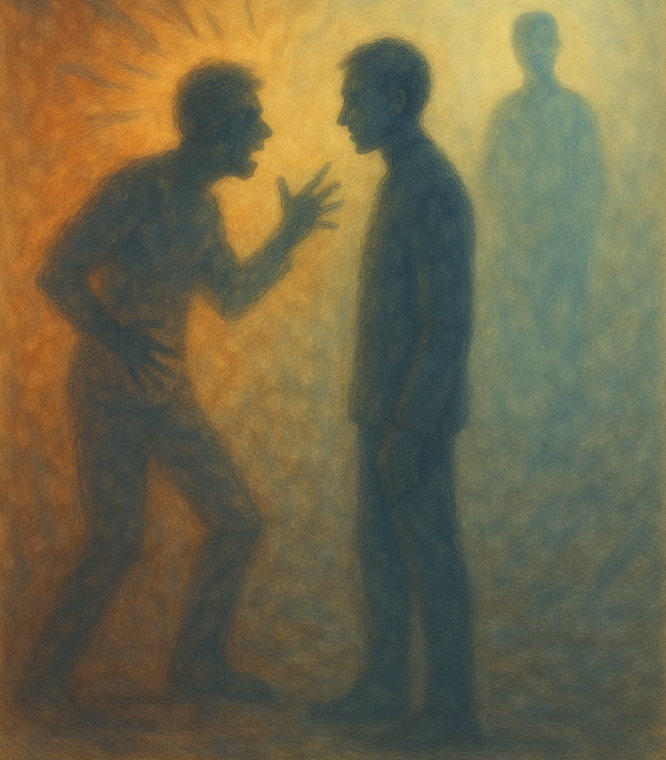
Maybe you’ve had this happen before. You’re in a completely normal conversation, or maybe just driving along, and suddenly you snap at someone or feel a tidal wave of frustration, anger, or sadness. It almost feels like another part of you has hijacked your reactions. Moments later, you end up puzzling over what got into you. Was it really “you”? Or was something deeper calling the shots?
This is where Eckhart Tolle’s idea of the “pain-body” comes in. While Tolle’s teachings have become pretty popular, the pain-body remains easy to misinterpret, ignore, or overlook. Some people see it as too mystical, others confuse it with trauma, and many don’t even spot how it quietly runs parts of their lives. If you’re curious about why you sometimes feel stuck in pain or why the same emotional patterns keep cycling back, getting a sense of the pain-body is super helpful.
Here’s what I’ll cover: what the pain-body is (in clear, everyday language), ways to spot when it’s running the show, how it “feeds,” what awareness looks like in practice, its relationship to trauma, and tips from both Tolle and ancient nondual teachers. I’ll also share practical steps for softening the pain-body’s grip using simple presence-based strategies. This isn’t about fixing yourself. It’s about bringing light to hidden habits and noticing what happens when you do.

What Is the Pain-Body?
Eckhart Tolle describes the pain-body as a kind of “energy field” made up of old emotional pain. It’s like a collection of past hurts, disappointments, and resentments that lives within your body and nervous system. The pain-body isn’t your personality, but when it activates, it can shape your moods and behaviors in surprising ways. Tolle often talks about it as a kind of “entity” that wakes up, takes over, and pulls you into repeating old emotional dramas you thought you’d grown out of.
The pain-body’s core fuel is negative emotion—anger, sadness, anxiety, jealousy—and it “feeds” by getting you to dwell in those states. It can flare up during conflict, stressful life events, or even out of boredom. This buildup usually begins in childhood, shaped by things like unmet needs, emotional wounds, or family issues. But Tolle makes it clear that generational pain (passed down through family lines) and collective pain (all the suffering in our culture or lineage) can also add to your pain-body. It’s not just about dramatic trauma; even small, repeated slights, criticisms, or disappointments gather over time until they become a heavy emotional presence.
The pain-body operates secretly, almost like someone else wearing your face. Sometimes it’s completely dormant, then suddenly it’s running the show, feeding off your reactions, and then going back to sleep once it’s been “fed.” Here’s a quote from A New Earth that helps anchor it in simple language:
“It is an accumulation of old emotional pain that almost all people carry in their energy field. … Any negative emotion that is not fully faced and seen for what it is in the moment it arises does not completely dissolve. It leaves behind a remnant of pain.”

Signs Your Pain-Body Is Active
The pain-body can be sneaky. But if you’re staying sharp for a few classic patterns, you’ll spot it more easily. Here’s what I notice in my own experience:
- Emotional Overreactions to Small Stuff: Ever lose it over a minor inconvenience or criticism? When your reactivity is out of proportion to the situation, the pain-body just got poked.
- Feeling “Possessed” by Emotion: Sometimes I look back and wonder, “Who was even talking just now?” There’s a sense of being hijacked by something outside your usual self.
- Repeating Painful Relationship Patterns: If you find yourself having the same arguments or heartbreaks, the pain-body might be trying to replay familiar emotional drama in search of its “food.”
- Compulsive Negative Thinking: The pain-body stirs up mental stories about victimhood, unfairness, hopelessness, or other painful topics—then loops them until it drags you further down.
- A Strange Satisfaction in Drama: Tolle points out the pain-body sometimes actually gets a charge from conflict, outrage, or crisis because it can “feed” on the intense emotions those moments create.
If any of these feel a bit too familiar, you’re not alone. The pain-body shows up for everyone in its unique way. Just noticing when it’s happening is a powerful step toward freedom.
How the Pain-Body Feeds on Thought and Emotion
The pain-body has a clever trick. It gets you thinking about your emotional pain, which then keeps the pain-body charged up and active.
The Thought–Emotion Feedback Loop
Emotion and thought feed each other in a loop. The pain-body might activate and suddenly you’re replaying old memories, or you start spinning stories that justify your pain: “No one appreciates me. People always treat me badly. This is so unfair.”
When those stories take over, the pain-body keeps growing stronger. This can keep you locked into patterns of blame, resentment, or depressive thinking. The worst part is, most people don’t even realize this loop is happening. It just feels like your real life.
Why Resistance Keeps the Pain-Body Alive
One of Tolle’s most eye-opening pointers is that the pain-body actually resists healing, in a sense. Every time you push down your feelings—or deny, judge, or distract yourself from your pain—it strengthens the pain-body further. More resistance equals more food. Being unaware that your pain-body is active keeps the cycle cycling. Awareness is the interrupter. Seeing it as an automatic reaction short-circuits its strength and loosens its grip.
What Eckhart Tolle Recommends: Awareness, Not Suppression
Tolle is clear about this: trying to fix, resist, or suppress your pain just plays into the pain-body’s hands. His advice is simple but not always easy. Watch the pain-body move through you without becoming it.
The Power of Watching Without Reacting
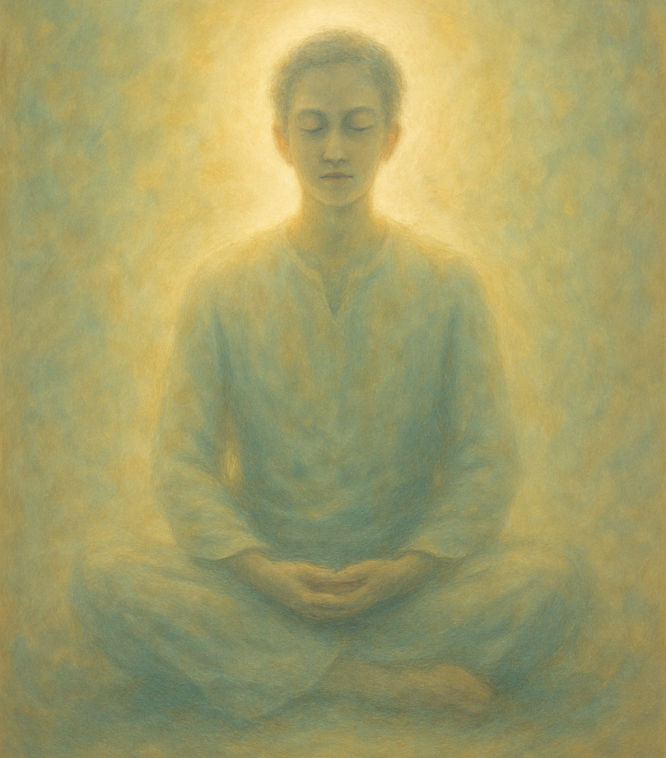
So, when you notice a flare-up of anger or hurt, don’t argue with it, don’t suppress it, and don’t rush to “think positive.” Instead, become present and tune into the emotional energy moving through your body with curiosity.
This “watching without judgment” isn’t about floating above life or pretending to be unaffected. It’s about really feeling the sensation fully, but from a calm and neutral attention. Over time, the pain-body starts losing its hold. Anchoring awareness in the present moment—a slow breath, feeling your feet pressing the ground—helps keep you from being swept away in old pain stories. Tolle calls this “bringing light into darkness”; the simple observation of awareness gently dissolves pain over time.
Is the Pain-Body the Same as Trauma?
The pain-body is often compared to trauma, but they aren’t exactly the same thing. Trauma is usually a reaction to overwhelming, unresolved events from the past. Working with trauma often means revisiting memories and, in some cases, using therapeutic methods to help the nervous system.
The pain-body, in comparison, isn’t just about trauma. It also includes all those smaller emotional knots and repetitive patterns built up across ordinary life, shaped by how the ego thinks and functions. The pain-body can flare up for reasons that might not lead directly back to childhood drama. Tolle’s work is more about how to deal with any emotional residue that appears now, no matter where it started.
If you’ve already done therapy or healing work, you might still spot the pain-body now and then. Tolle’s approach isn’t about “fixing” the past; it’s focused on seeing and dissolving whatever emotional charge is here so it stops running your reactions. For many, both therapeutic and presence-based practices support each other in a valuable way.
Ramana Maharshi and the Pain-Body: A Silent Connection
Tolle’s teachings show a clear connection to older spiritual traditions, especially the wisdom of Ramana Maharshi, the renowned sage from South India. Ramana didn’t use the term “pain-body,” but he examined how the root of all suffering is identification with the “I-thought”—the sense of being a separate self or ego.
Ramana’s core practice, self-inquiry (“Who am I?”), points all attention at the experience of awareness itself, rather than the emotional storms and shifting stories of the mind. If you rest your attention in “I am”—the simple sense of being here and now—emotional pain and ego-based patterns gradually lose their grip. Tolle has often said Ramana’s directness sparked his own spiritual path. So, even with different terminology, the results are parallel: silence, attention, and non-attachment naturally soften even deeply ingrained pain-body habits.
How to Become Free from the Pain-Body (Daily Practice Tips)
Stepping out of pain-body cycles is about building small, regular habits of awareness each day. Here are some tips that have worked for me and others:
- Notice Emotional Triggers and Pause: If you feel a rush of emotion, stop before reacting. Even a brief pause can shift your direction.
- Practice Conscious Breathing and Presence: Place your focus on your breath or a physical sensation, like the feeling of your hands or feet. This interrupts the loop between thought and emotion.
- Observe Emotional Energy in the Body: Don’t dive into stories about why you feel upset. Just note the plain energy sensation for a little while. Pay attention to where it is in your body and how it moves or changes.
- Let Pain-Body Triggers Open the Door to Presence: Use moments of pain as cues for deeper attention. Every time you spot the pain-body in action, you’re starting to create new habits in your nervous system.
- Keep a Presence Journal: Write down any insights or recurring patterns you notice after a pain-body episode. Over time, you’ll see more space open up between feeling and reaction.
It’s completely normal to slip into old habits at first, so patience and compassion are key. Each moment of genuine awareness helps to unravel the pain-body’s hold, little by little, day by day.
Final Thoughts: Turning Suffering Into Presence
Living with the pain-body isn’t about becoming perfect or erasing every negative emotion. Even Eckhart Tolle emphasizes the pain-body loses power through awareness alone; you don’t have to force it to disappear. Each time you catch a pain-body episode as it’s happening, you gently erode old unconscious habits. Suffering doesn’t have to feel like a fixed part of who you are—it’s more like weather that comes and goes in the steadiness of presence.
Presence is gentle and subtle, much more powerful than resisting what you feel. The invitation is to simply notice, breathe, and sense–let the light of awareness take care of the rest. Gradually, what once felt like a heavy curse becomes a cue for waking up to more peace in the present.
Frequently Asked Questions About the Pain-Body
Q: Is the pain-body the same as trauma?
A: Not exactly. While trauma can feed the pain-body, the pain-body also includes emotional residue from everyday stress, ego identity, and generational pain. Trauma is a clinical term tied to overwhelming experiences; the pain-body is more about unconscious emotional patterns that flare up in the present.
Q: Can the pain-body be completely healed or removed?
A: According to Eckhart Tolle, the pain-body dissolves through consistent awareness—not by force or suppression. Over time, as you stay present and observe it without identifying with it, its grip weakens. Some people experience periods of complete stillness, while others notice it flares up less often and with less intensity.
Q: How do I know if it’s the pain-body or just regular emotion?
A: The difference lies in intensity and reactivity. Regular emotions come and go. Pain-body episodes often feel disproportionate, repetitive, and leave you feeling hijacked. If you find yourself compulsively replaying the same emotional story, chances are the pain-body is active.
Q: Can presence really dissolve emotional pain?
A: Presence doesn’t make pain disappear instantly—but it does stop you from fueling it. When you bring awareness to emotional reactions without judging or feeding them, they lose momentum. It’s less about control and more about allowing space for healing.
Q: Do I need to meditate to become free of the pain-body?
A: No. While meditation can help, Tolle emphasizes presence in daily life—watching your reactions, feeling your emotions without resistance, and becoming the observer. Even one conscious breath in the middle of a trigger can begin to shift your relationship with the pain-body.
Interested in working more with thoughts, emotions, and the simple art of noticing? Check out these related posts on overthinking, presence vs. mindfulness, or You Are Not Your Thoughts.
A New Earth by Eckhart Tolle offers his clearest explanation of the pain-body and how to dissolve it through presence.
Be As You Are gathers Ramana Maharshi’s clearest teachings on self-inquiry and ego dissolution—perfect if you want to go deeper into the roots of presence.

Chris is the voice behind Daily Self Wisdom—a site dedicated to practical spirituality and inner clarity. Drawing from teachings like Eckhart Tolle, Ramana Maharshi, and timeless mindfulness traditions, he shares tools to help others live more consciously, one moment at a time.Learn more about Chris →
Leave a Reply