It feels like everywhere I turn, someone is promising a way to be less stressed, more present, or finally find some calm in the middle of all the daily noise.
If you’re like me, the buzz of constant notifications, fast-moving to-do lists, and that scatterbrained feeling have become pretty normal. But every so often, I catch myself craving quiet. It’s not an escape, just a little steadiness right here in my busy life.
Zen mindfulness offers a way to meet that craving, not by retreating from real life, but by waking up to it. The heart of Zen is about being fully present for each moment.
It’s not about achieving some mystical state, but actually living life without always reaching for the next thing. I’ve found that even tiny shifts, like pausing before answering an email or really tasting morning tea, open the door to unexpected pockets of peace.
I want to share simple, real-life ways to practice Zen mindfulness daily. You don’t need to be a monk or have a quiet mountain hut. If you’re looking for practical methods you can try right now, you’re in the right spot.
I’m going to walk you through how Zen mindfulness fits into real schedules, busy commutes, family life, and even workplace chaos. Let’s make calm part of your routine; no incense or cross-legged perfection required.

What Zen Mindfulness Really Means
When people talk about Zen, it can sound a bit mysterious. At its core, Zen is about direct experience. The simple being-with right now. In Zen traditions, teachers talk a lot about seeing things “just as they are,” without extra stories or judgments.
Mindfulness, in the way most of us hear about it today, means paying careful attention to what’s happening right now. This could be your breath, a sound, or even a body sensation.
The real twist with Zen mindfulness is that the emphasis isn’t just on paying attention. It’s also about letting that attention be natural and uncluttered by constant analysis. Instead of trying to control every thought or feeling, there’s an invitation to relax, even if that moment is messy or busy. To me, this feels like a relief. You don’t need to do anything special. Just notice. Just come back, over and over, to what’s right in front of you.
This means mindfulness isn’t only about meditation or sitting on a cushion. You can practice in the middle of a noisy kitchen, while driving, or during a stressful conversation. The beauty of Zen mindfulness is in its balance; stillness and movement, focus and openness, all woven together by gentle awareness.
The Essence of Zen: Simplicity, Awareness, and Non-Attachment
I’ve bumped into three big principles that make Zen practice really work for me. These aren’t just theory; they’re habits I try to bring into daily life:
Doing One Thing Completely
It’s easy to get caught up multitasking, but Zen has taught me to focus on just one thing at a time. Washing dishes? Only wash dishes. Answering a text? Give it full attention. It turns out that even the most basic routine can feel grounding when you bring your whole self to it.
Seeing Without Labeling
This is about noticing your experience without immediately judging or labeling it. Instead of thinking, “I hate this traffic,” I can simply observe, “There are red lights ahead. My hands feel tense.” For me, this often leads to a softer, less stressed-out attitude towards whatever’s happening.
Letting Go of Control
Zen practice isn’t about making every moment perfect. It asks you to notice when you’re grasping for certainty or trying to force things to go your way, and then gently let some of that go. I find that when I stop fighting stressful feelings or trying to control everyone else, things naturally calm down.
Here’s how this looks in regular life: washing dishes, I notice the slippery warmth of the water. Walking to work, I hear the crunch of gravel and feel cool air. In a tough conversation, I listen fully, without planning my next retort. These moments aren’t dramatic; they just feel quietly real.
Daily Zen Mindfulness Practices
There’s no one-size-fits-all routine for practicing Zen mindfulness, but I’ve found some pretty useful practices that can fit into anyone’s day. You don’t have to carve out extra hours or get anything new; just start where you are, and adjust as you go.
Morning Awareness Rituals
Mornings usually set the tone for my day. I try to wake up slowly, before reaching for my phone. Here’s what works for me:
As soon as I open my eyes, I take three slow breaths. I notice the weight of my body and the softness of the light in my room.
If I can, I wait five minutes before checking any screens. Those few quiet minutes feel nearly luxurious.
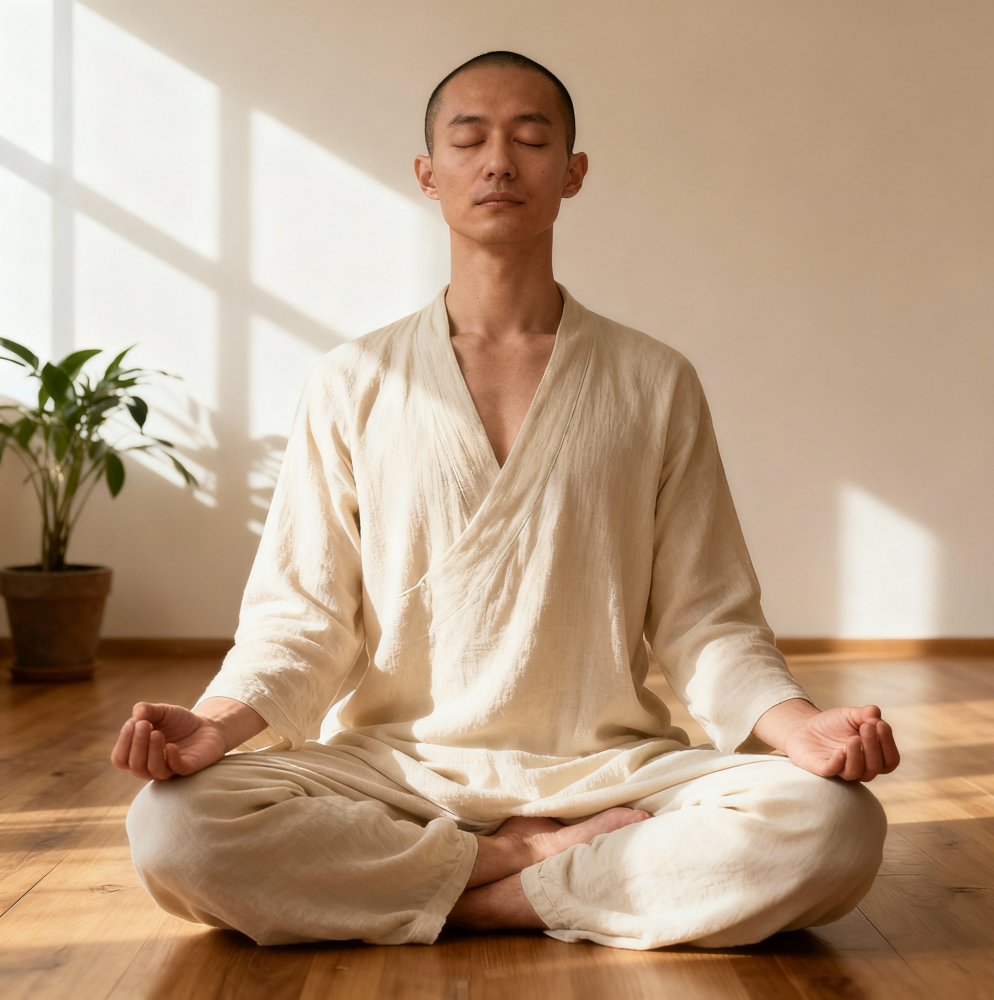
I sometimes sit for a few moments in a simple meditation posture; back straight, hands on lap, just breathing. In Zen, this is called zazen. The idea is to sit upright but relaxed, letting thoughts drift by as if they’re clouds. Even five or ten minutes is enough.
How to Achieve Zen in a Busy Life
Most days don’t leave a lot of slack in my schedule, so I look for “micro practices” that slide into whatever I’m already doing. The modern world feels engineered for distraction. We’re encouraged to be always available, constantly productive, juggling ten things while feeling vaguely guilty we’re not doing eleven. The pace can be relentless, and honestly, sometimes I wonder if busyness itself has become a strange kind of status symbol.
Zen asks something different. It quietly suggests that you can meet the rush without becoming the rush. There’s no need to quit your job or abandon responsibilities. But there is an invitation to question whether you have to meet every demand at full throttle, or if you might move through your day with a little more breathing room.
I’ve noticed something odd about being “too busy.” The busier I get, the more I lose track of what I’m actually doing. I become a bundle of reactions, bouncing from one urgency to the next. Tasks blur together. My mind races ahead while my body lags behind. That’s when I remember I have a choice, even if it’s just a small one: I can pause.
Here’s what helps me stay sane when life gets crowded:
Mindful commuting: Instead of zoning out or doom scrolling on the train, I pay attention to my breath or the sound of the engine. Stuck in traffic, I notice my hands on the wheel and the feeling of impatience, without judging myself for it. Sometimes I count breaths. One breath in, one breath out. The traffic doesn’t move any faster, but my chest doesn’t feel as tight.
Digital simplicity: Before opening a new tab or app, I pause and ask myself, “What am I here to do?” It’s a quick way to reset my focus. I’ve started leaving my phone in another room during meals. The world doesn’t collapse. Emails wait. And surprisingly, the food tastes better when I’m not half-reading something else.
For more practical tips and inspiration on reclaiming your mental space, check out my full article on digital minimalism here.
Slowing transitions: I try to pause for even a breath or two when switching from one task to the next. For example, after sending an email, I put both feet flat on the floor and take a breath before moving on. This makes my day feel less frantic and helps me finish tasks with more intention. Between meetings, I stand up, stretch, feel my feet on the ground. It’s like a tiny reset button.
The art of single-tasking: When I cook dinner, I just cook. When I’m with my kid, I try to be with my kid, not mentally drafting tomorrow’s presentation. It sounds simple, but it’s shockingly hard at first. We’re so used to splitting our attention that full attention almost feels uncomfortable. But over time, it becomes a kind of refuge.
I’m not suggesting you slow everything down to a crawl. Zen isn’t about becoming inefficient or checked out. It’s about moving through your busy life awake, rather than on autopilot. When you bring awareness to speed, you often discover you can do less, do it better, and feel more human in the process.
Some days I fail completely at this. I get swept up, overwhelmed, frazzled. But that’s okay. Zen doesn’t demand perfection. It just asks that when you notice you’ve been running on fumes, you take a breath and come back.
Finding Zen in Everyday Moments

A Zen teacher once said something that sticks with me: “Every act can become meditation when attention is full.” I love this idea because it means I’m never too busy to practice. Here are a few ways I build practice into my regular routines:
Walking: Whenever I’m walking, whether it’s down a hallway or outside, I pay attention to my steps, the contact of my feet on the floor, the sway of my arms, and the rhythm of my breath.
Tea or coffee breaks: I make a ritual out of the first sip, noticing the warmth, the aroma, and how it feels as I swallow. For a moment, that’s all there is.
Cleaning: Sweeping, folding laundry, scrubbing a pot; I try to feel the movements, notice resistance in my body, and invite a little appreciation for bringing order to my space.
No matter what’s on my to-do list, these “everyday” moments become an anchor that brings me back to the present.
Why Zen Is Important for Mental Health and Emotional Balance
Zen mindfulness doesn’t make stress or sadness magically disappear, but it does change my relationship with tough feelings. Instead of getting lost in anxiety or trying to push it away, Zen encourages noticing what’s happening gently and directly. Here’s where non-attachment comes in: I practice seeing emotions as weather systems, passing through. They aren’t “me,” just experiences coming and going.
Modern psychology backs this up. Research on mindfulness shows it can reduce anxiety, improve mood, and help with emotional regulation.
Studies suggest that regular mindfulness practice actually changes the brain, strengthening areas involved in attention and emotion control while calming the parts that trigger stress responses. But beyond the science, what I’ve found is that this practice gives me a little space between a feeling and my reaction to it.
That space is everything. When anxiety shows up, my old pattern was to either fight it (telling myself I shouldn’t feel this way) or get completely swallowed by it (spiraling into worst-case scenarios). Zen offers a third option: just be with it. Not indulging the stories, but not pretending it isn’t there either. Just noticing.
Here’s how I work with difficult emotions now:
When I notice anxiety rising, I pause. I take a slow breath and ask myself, “What does this feel like in my body right now?” Naming a sensation (like tightness in the chest, heat in my face, or a knot in my stomach) helps break the spiral of worry. Sometimes just saying “this is anxiety” out loud softens it a little.
If irritation pops up, I try not to judge myself for feeling irritated. I used to add a second layer of suffering by getting mad at myself for being mad. Now I just pause, breathe, and observe, without needing to fix or justify it. That takes away some of its charge.
When sadness comes, I let it be sad. I’ve noticed that when I stop resisting grief or disappointment, it moves through me more naturally. It’s like clouds; if you watch them without trying to push them away, they eventually drift on.
I had a moment last week that showed me how much this has shifted for me. I got some frustrating news at work, the kind that used to ruin my whole day. I felt the spike of frustration, the tightness in my jaw. But instead of immediately venting or ruminating, I just sat with it for a minute. Felt it. Named it. “This is frustration. This is disappointment.” And somehow, that simple acknowledgment let it settle. I could still think clearly about what to do next. The feeling didn’t disappear, but it didn’t hijack me either.
Zen also teaches me to have more compassion for myself. We’re often our own harshest critics, creating impossible standards and then beating ourselves up when we fall short.
In Zen practice, there’s an understanding that being human means being imperfect, reactive, forgetful, clumsy. That’s not a problem to solve. That’s just the nature of things. When I bring that same gentle noticing to my own mistakes or struggles, life gets a lot easier to bear.
It doesn’t mean ignoring feelings or bypassing real problems. If something needs addressing, Zen helps me see that more clearly. But it stops me from adding layers of drama and self-judgment that only make things worse. That’s how Zen helps my mental health stay steady, even when life feels rocky.
How Zen Principles Enhance Focus and Productivity
I used to think Zen meant slowing down and getting less done. It’s actually the opposite; by focusing on one thing at a time, I get more done and feel a whole lot less overwhelmed. In my experience, Zen focus means single-tasking, not juggling a million things badly.
Our culture glorifies multitasking, but the truth is our brains aren’t built for it. Every time we switch between tasks, there’s a cognitive cost. We lose time, make more mistakes, and end up feeling scattered. Zen cuts through all that by teaching us to bring full attention to whatever’s in front of us. One thing. Completely.
The flow state people talk about at work is a lot like Zen presence; you’re totally absorbed, not distracted by outside noise. You lose track of time. The work feels almost effortless because you’re not fighting yourself or second-guessing every move. I’ve found that this state isn’t some magical gift reserved for artists or athletes. It’s available to anyone willing to give their full attention to what they’re doing.
Here’s a basic productivity approach I use, rooted in Zen practice:
I choose one task. Before I start, I take a breath, make sure my posture feels relaxed (shoulders down, jaw unclenched), and let myself sink fully into it. If my mind wanders, which it will, I gently bring it back. No big deal. When I’m done, I move on.
Last Tuesday, I had to write a difficult email. My first instinct was to also check Slack, half-listen to a podcast, and mentally plan dinner. Instead, I closed everything else. Sat still for a moment. Felt my fingers on the keyboard. Then I wrote. Just wrote. It took maybe ten minutes, and the email was clear and thoughtful. In the past, I would have spent thirty minutes on the same task while feeling twice as stressed.
Zen also helps with decision-making. When I’m trying to solve a problem, I’ve learned to sit with it without immediately grasping for an answer. There’s a practice in Zen sometimes called “don’t know mind.” It means staying open, not rushing to conclusions. I’ll sit quietly with a question, let it turn over in my mind without forcing a solution, and often the answer emerges naturally. It’s like giving my intuition room to speak.
Creative work especially benefits from this approach. When I’m trying to force an idea, it usually comes out stiff and overthought. But when I relax, pay attention, and trust the process, things flow. Words come. Ideas connect. I’m not trying to control the outcome, just showing up fully for each step.
These small routines turn workflow into a practice, not a battle. I finish the day with more energy, which just proves you don’t have to be frazzled to get stuff done. In fact, the calmer I am, the sharper I am. Zen doesn’t make you less productive; it makes you present enough to actually do good work.
The Benefits of Zen Mindfulness

After practicing Zen mindfulness for a while, I’ve noticed changes that weren’t exactly what I expected. I didn’t suddenly become enlightened or permanently calm. But life feels different, lighter somehow. Here’s what regular practice has brought into my life:
Emotional resilience: I bounce back from setbacks faster. Difficult emotions still arise, but they don’t flatten me the way they used to. There’s more spaciousness around them.
Clearer thinking: My mind feels less cluttered. I can think through problems without getting tangled in worst-case scenarios or endless loops of worry. Decisions come more easily.
Better relationships: When I’m truly present with people, conversations go deeper. I listen better. I react less defensively. People seem to notice and respond differently.
Physical calm: My shoulders aren’t always up by my ears anymore. I sleep better. Tension headaches have become rare. It turns out that mental peace and physical ease are connected.
Increased patience: I’m less reactive, less quick to irritation. Traffic jams, long lines, technical glitches don’t set me off the way they once did. I can wait without suffering.
Appreciation for small things: This might be my favorite shift. A patch of sunlight on the wall. The sound of rain. The weight of a coffee mug in my hands. These tiny moments feel richer now, almost enough on their own.
Sense of groundedness: Even when external circumstances get chaotic, there’s a part of me that stays steady. Not because I’m in control, but because I know how to come back to center.
I’m not claiming Zen solves everything or that I’ve got it all figured out. But these shifts are real, and they compound over time. The more I practice, the more these qualities become part of how I move through the world.
The Role of Meditation in Zen Practice
Sitting meditation, or zazen, holds a special place in Zen. But it’s not about chasing a blank mind or some kind of bliss. The practice is actually pretty straightforward. You sit down, get still, and notice what comes up.
I find a comfortable seat; on a cushion, chair, or even the floor. My back is straight, hands relaxed in my lap. I close my eyes or keep them gently lowered.
I breathe naturally. Thoughts come and go (a lot of them on busy days). I don’t try to stop them. I just notice when my attention drifts and gently return it to my breath or the feeling of sitting.
I sit for about 10 minutes most mornings. Some days it’s longer, or less if I’m rushed. Over time, meditation makes it easier for me to catch myself in automatic habits and to carry that awareness into the rest of my day.
In my view, meditation deepens the roots of mindfulness, making it much easier to stay present when things get hectic. It’s not about escaping the world for a sacred space, but about stumbling upon calm that travels with you anywhere.
A 7-Day Zen Mindfulness Routine
If you want a quick way to test out Zen practices in your life, I’ve got a simple 7-day plan. I’ve done versions of this routine myself and found it’s a great way to build a habit without feeling overwhelmed.
Day 1: Have one meal mindfully. Eat slowly, paying attention to taste, texture, and each bite.
Day 2: Sit in silence for 10 minutes. Focus on breathing. When the mind wanders, gently come back.
Day 3: Notice transitions; between calls, meetings, meals. Pause and take one or two slow breaths before moving on.
Day 4: Practice slow walking. Focus on each step, noticing your balance, movement, and breath.
Day 5: Pick one space (desk, shelf, drawer) to declutter consciously. Notice your feelings as you tidy up.
Day 6: Observe emotions without judging them. When a strong feeling comes up, pause, breathe, and name what you’re experiencing.
Day 7: Spend 10 minutes in nature, no phone, no distractions. Notice the details, sounds, and sensations around you.
Try repeating the routine or mixing up the order. The key is making these doable in your real life. Over time, you’ll start to see these little moments of mindfulness showing up on their own, without you having to force them.
Common Misconceptions About Zen
I run into a lot of assumptions about Zen. A few honestly made me laugh when I started out. Here’s what I’ve learned in practice:
“Zen means emptying the mind.”
You can’t actually turn off your thoughts; the practice is about noticing them, not stopping them.
“Zen is only for monks.”
I’m not living in a temple, and you don’t need to either. Zen adapts to all kinds of lifestyles. The point is being present in ordinary, sometimes messy life.
“Zen is just sitting meditation.”
Zazen is important, but sweeping the floor, walking, and even answering emails can be Zen practice if you bring awareness to it.
Bottom line? Zen isn’t reserved for special people or places. It’s for anyone willing to show up for the present moment. That can be surprisingly casual and approachable.
Learning and Deepening Your Zen Practice
If you’re curious about going deeper with Zen, there are some beautiful resources out there. I’ve found that reading works by teachers like Thich Nhat Hanh or Shunryu Suzuki can gently reshape how you see your own practice.
Thich Nhat Hanh’s writings, especially, have this quality of being both profound and utterly simple. He talks about washing dishes and walking as though they’re the most important things in the world. Because in that moment, they are.
Suzuki Roshi’s “Zen Mind, Beginner’s Mind” is another favorite. It reminds me that in Zen, you never really master anything. You just keep beginning, over and over, with fresh eyes. That takes the pressure off trying to be perfect or advanced.
If you want community, consider visiting a local Zen center or meditation group. There’s something about sitting with others in silence that deepens the practice. You realize you’re not alone in struggling with a wandering mind or restless body. Plus, having a teacher or guide can help you work through questions that come up.
Online resources work too. There are apps, guided meditations, and videos that make Zen teachings accessible. But honestly, the best teacher is your own experience. No book or app can substitute for actually sitting down, breathing, and noticing what happens.
Here’s what I keep coming back to: Zen isn’t something you “master” and then you’re done. It’s more like remembering. Remembering how to be here. Remembering that this breath, this step, this moment is enough. You’ll forget constantly. That’s part of it. The practice is in the returning.
Some days I sit and feel peaceful. Other days my mind is a hurricane. Both are fine. Both are Zen. The point isn’t to achieve some special state, but to meet whatever shows up with openness and a bit of kindness.
Bringing Zen into Modern Life
Putting Zen into practice today is less about swapping your smartphone for a stone lantern, and more about weaving small, mindful moments into whatever life you’ve got. Awareness, simplicity, and a willingness to let go go a long way, especially with all the demands and distractions modern life serves up.
I find that I show up better in my relationships if I really listen instead of just waiting my turn. My work feels steadier if I focus on one task; the chaos drops away. Creativity comes easier when I trust each step rather than forcing an outcome. If Zen has any real “secret,” it’s that these little adjustments add up to a calmer, more connected life.
One of my favorite reminders from Zen teachers is that nothing needs to be added or achieved. Just by softening, noticing, and coming back to the present, you get to experience a kind of peace that’s available anytime. Nobody said it would be easy, but it is always possible.
Frequently Asked Questions About Zen Mindfulness
1. Do you need to meditate to practice Zen mindfulness?
Not necessarily. While sitting meditation (zazen) is central to Zen, mindfulness in Zen goes far beyond the cushion. You can practice awareness while walking, working, or washing dishes. The real aim isn’t to sit perfectly still but to be fully present in whatever you’re doing.
2. What’s the difference between Zen mindfulness and regular mindfulness?
Both involve awareness, but Zen mindfulness emphasizes simplicity and direct experience — seeing things exactly as they are, without overthinking or labeling. It’s less about managing thoughts and more about resting in clear awareness, moment by moment.
3. Can Zen mindfulness help with anxiety or stress?
Yes. Zen helps you develop space between thoughts and reactions, making it easier to respond calmly instead of getting swept away. It’s not about suppressing emotions but about meeting them with openness and kindness. Over time, this naturally reduces stress.
4. How long does it take to notice the benefits of Zen practice?
You can often feel a difference within days — small moments of calm or clarity. But deeper changes unfold gradually with consistency. The key isn’t how long you practice, but how often you remember to come back to awareness.
5. Can I combine Zen mindfulness with other spiritual or religious paths?
Definitely. Zen isn’t dogmatic. It blends easily with other forms of mindfulness, yoga, or even prayer. The practice is about direct experience, not belief systems — it simply invites you to be fully awake for your own life.
Closing: Living the Spirit of Everyday Zen

Daily Zen mindfulness doesn’t overhaul your life overnight, but it does change how you meet what’s already here. The pressure to perform drops off a little. Ordinary moments get friendlier. Stress still shows up, but it’s less bossy. I’ve watched myself grow more patient, more open, and a lot more comfortable with not having all the answers.
Wherever you are in your mindfulness adventure, Zen offers a gentle reminder: full attention, even for a moment, opens a door to calm and clarity right where you are. Just breathe. Watch. That’s Zen.
Ready to go deeper?
If this guide helped you reconnect with calm, explore more ways to live mindfully on Daily Self Wisdom:
- How to Stay Present in Everyday Life — simple ways to stay grounded amid distractions
- Presence vs. Mindfulness: What’s the Real Difference? — discover how awareness and attention work together
- Watch next: Ancient Mindfulness Traditions You Can Use Every Day (Vipassana, Zen & Thai Forest) — explore how these timeless practices can guide modern mindfulness. You can also watch it below.

Chris is the voice behind Daily Self Wisdom—a site dedicated to practical spirituality and inner clarity. Drawing from teachings like Eckhart Tolle, Ramana Maharshi, and timeless mindfulness traditions, he shares tools to help others live more consciously, one moment at a time.Learn more about Chris →
Leave a Reply