If you’ve ever picked up a self-help book in search of more than just clever ideas or quick hacks, you’ve probably heard about The Untethered Soul. What really draws so many people in is its simple promise: finding real peace inside, even when life is busy, noisy, and sometimes messy. Plenty of us have read books that sound wise but leave us wondering, “How do I actually live this stuff?” That’s where actually applying untethered soul principles steps in. I’m here to share exactly how you can start weaving these practices into your daily routine without needing special training or hours of extra time each day.
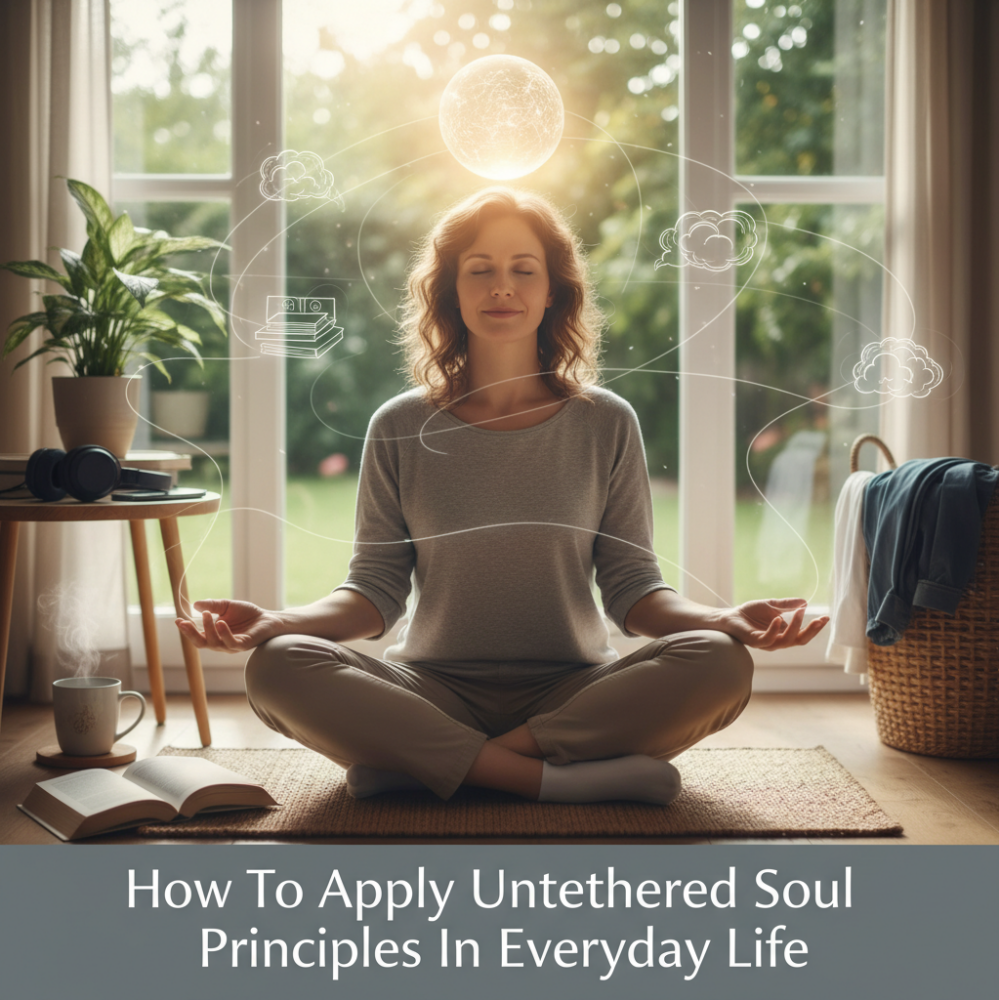
Before we go any further, just a quick note: this isn’t a summary of the book. You can find plenty of those online. What’s been missing is a clear, grounded explanation of how to live these principles in the middle of normal life, not in a retreat cabin. The heart of applying Untethered Soul principles is learning how to stay open, relax during moments of inner pressure, and observe your thoughts instead of getting tangled in them. Everything that follows is about making these teachings usable, right where you are.
Core Principles of Untethered Soul in Everyday Language
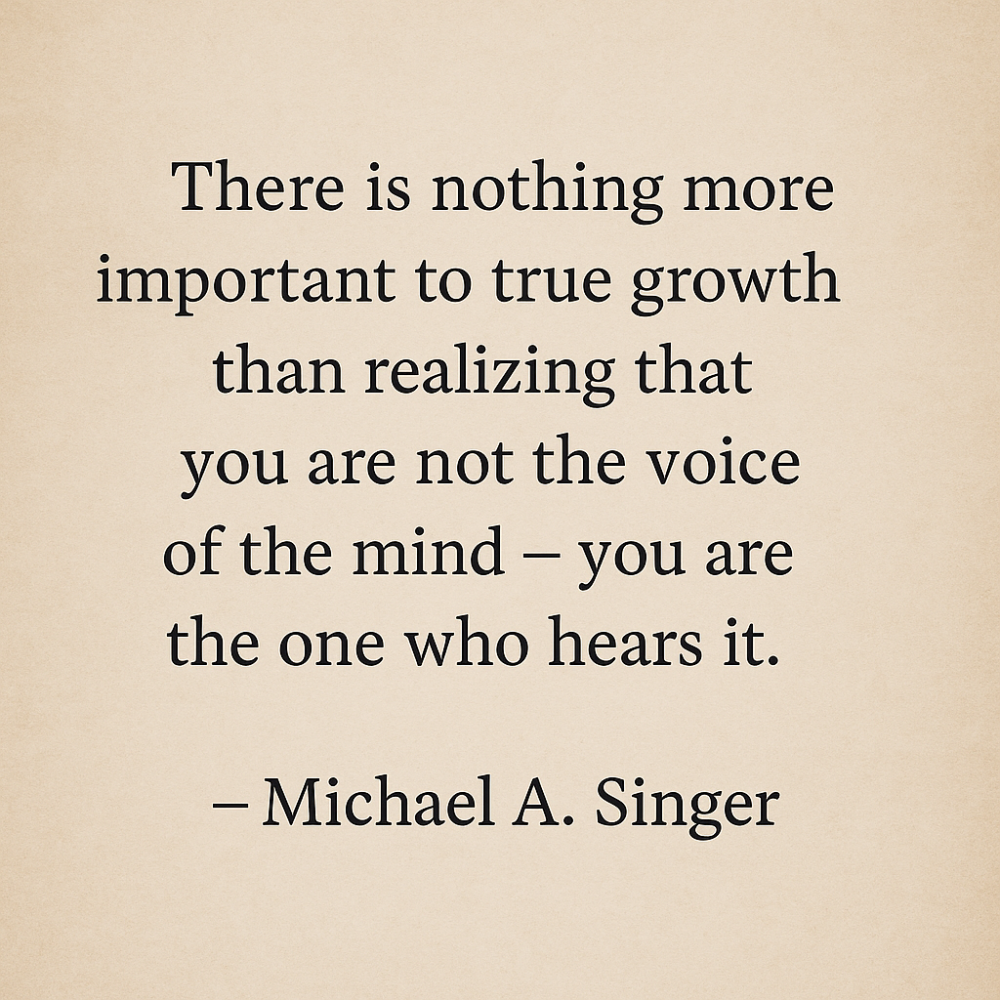
I’ve spent plenty of time exploring how untethered soul insights actually translate beyond a meditation mat or quiet retreat. Here’s what stands out in regular life:
The Inner Voice: That running commentary in your mind that never stops chattering. It throws out opinions on everything, work calls, strangers, your reflection in the mirror. You don’t have to believe or obey every thought.
The Seat of Awareness: There’s a part of you that notices thoughts and feelings, like sitting a little ways back from the action. You can observe what happens without being swept up by it.
Relaxing and Releasing: When stress, annoyance, or fear pops up, your body contracts, and so does your mind. Untethered soul exercises teach you to feel the tension and let it loosen, so the moment passes.
Staying Open: Often, we close off when something is uncomfortable. Staying open means noticing the urge to shut down and choosing to relax instead.
Non-Clinging: Letting thoughts, feelings, and experiences come and go is at the heart of these teachings.
You don’t have to become a monk or ditch modern life to bring untethered soul themes into your day. The insights are surprisingly simple. Learning how to relate differently to your mind and heart, wherever you are, is the foundation.
Noticing the Inner Voice During Your Day
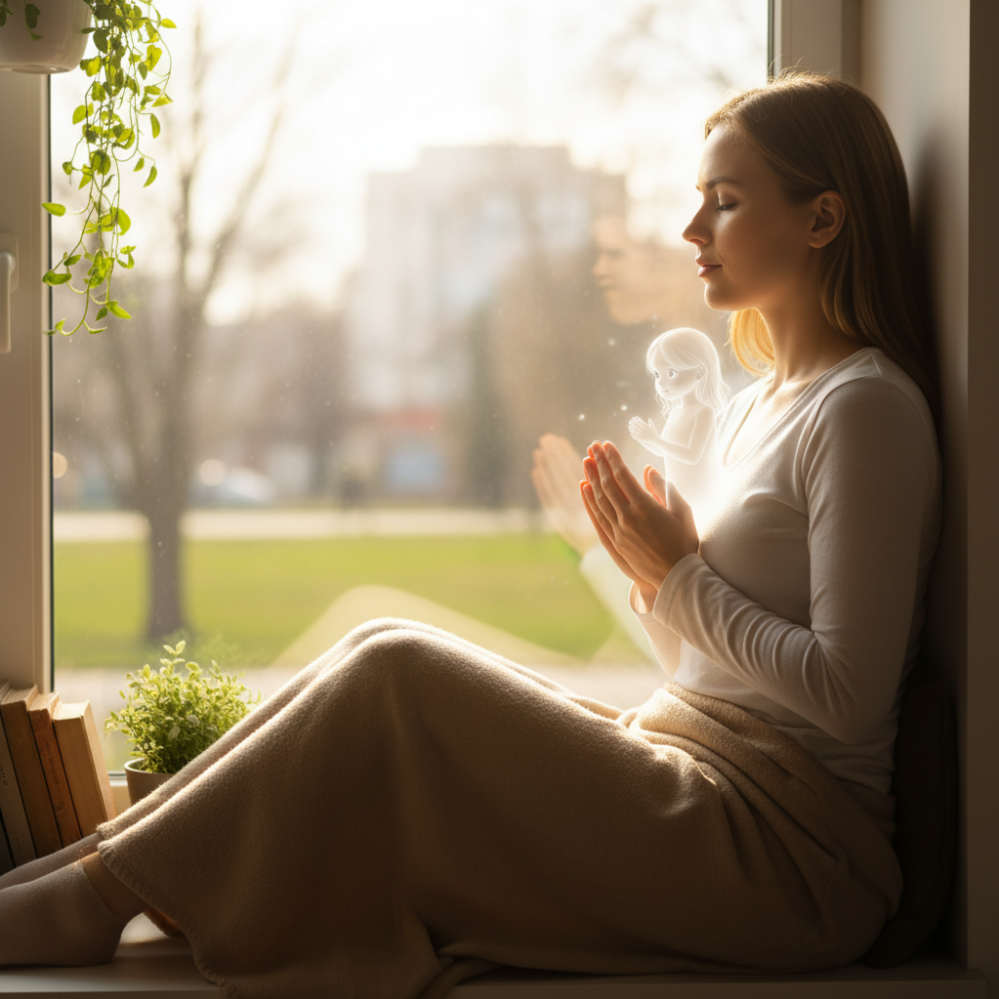
The “inner roommate” is something Michael Singer talks about all the time, and honestly, once you spot it, you can’t un-hear it. This voice is always running its mouth. Sometimes it’s bossy: “Why did you mess up that email?” Sometimes it worries: “Did I say the wrong thing?”
Here are examples of how it shows up:
At Work: You open your inbox and see a message from your boss. Before you even click, the voice jumps in: “This is bad,” or “You’re behind.” Just notice that this is thought-chatter, not absolute truth.
In Relationships: You might replay arguments or worry how you came across (“Are they mad at me?”). Again, the inner voice is just making noise.
During Anxiety: If your heart races when plans change, the commentator probably turns up the volume. “This will ruin everything,” it might shout.
One of the simplest untethered soul self-discovery exercises is just to recognize: I am not my thoughts, and I can watch this voice like I’d listen to background radio. Try this when standing in line, driving, or getting ready in the morning. You don’t need to quiet the voice; just see it for what it is.
Relaxing Instead of Contracting When Triggered
Anyone can learn how to release stress or irritation in the very moment it arises. Here’s a straightforward untethered soul exercise you can use anywhere:
Notice Your Tension: Maybe your jaw tightens, your shoulders squeeze inward, or your stomach knots up when something bugs you. Sometimes it happens instantly, like when someone interrupts you mid-sentence.
Pause and Breathe: Take a slow, intentional breath. Feel the air move in and out.
Relax the Body (Bit by Bit): Let your hands, face, chest, and belly soften. Don’t force anything; just invite relaxation.
Allow the Feeling: Instead of pushing it away or acting on the urge, just let the feeling be there. Remember, emotions move if you don’t grip them.
These steps are the foundation of many untethered soul meditation techniques, but you don’t have to be sitting with your eyes closed. I use this in the car, on the phone, or walking through the grocery store. Over time, it becomes second nature to catch tension in the act and deal with it kindly.
Letting Emotions Move Through You
It’s so easy to bottle up frustration, sadness, or fear, or blast it at someone else. But emotions are really just waves of energy. If I try to stuff them down, they hang around. If I act from them, I can make life harder for myself and others. The trick to finding peace through untethered soul is to let emotions move safely through.
Here’s how I handle a tough emotion as it comes up:
Notice It: A sinking feeling, a flash of anger, or tears might show up. I remind myself, “This is a wave, not a forever state.”
Drop the Story: The mind will try to tell stories about why you feel this way or who’s at fault. For a minute, let go of the storyline. Focus on the body and breath.
Relax Into It: I breathe, soften my shoulders, and let the energy rise, and eventually, fade. Sometimes it’s a few seconds, sometimes longer. But it really does pass faster when I don’t tense up.
This is one of the most practical untethered soul exercises. It doesn’t mean ignoring problems. It’s about processing emotions instead of running from them or getting stuck. When you practice this, even a small bit of space between emotion and reaction makes a difference. The more consistent you are in letting emotions move, the less power they hold over your day. Over weeks and months, this practice gradually creates more clarity and lightness inside, freeing up energy that was once locked up in old patterns. Sometimes, journaling your feelings or moving your body mindfully can help emotions keep flowing, too.
Keeping the Heart Open in Everyday Life
I’ve noticed that my chest and shoulders clench up every time I get even a little hurt or annoyed. It happens at work, with friends, even in traffic. Closing off feels automatic, but keeping the heart open really changes how the next moments unfold.
Notice the Closed Feeling: Are your shoulders hunched? Chest tight?
Soften the Breath: Take a slow breath into the chest. Imagine the area between the shoulder blades widening a little.
Relax the Chest and Shoulders: Let gravity help you drop your shoulders. Quietly invite a little softness.
This untethered soul self-discovery exercise makes a huge difference during arguments, busy days, or old family patterns. The more often I do it, the more my baseline feels peaceful and welcoming, not guarded. Even when something really stings or a moment feels unfair, keeping the heart open lets you respond from a place of kindness, both toward yourself and others. Over time, you can catch yourself closing and relax into openness before the tension locks in.
Turning Everyday Challenges Into Spiritual Practice
I used to think I had to be off in a quiet spot to “do the work.” But actually, untethered soul and mindfulness blend into normal life best when you treat stress, conflict, and the little hiccups as cues to practice. It’s like using each “ouch” as an invitation to notice, relax, and let go.
Conflict With Someone: Feel your reaction rise, notice how your mind wants to judge, and instead watch your inner voice. Focus on your breath and relax the body before you reply.
Running Late and Frustrated: Those tight feelings are a training ground. Pause, watch the inner voice freak out, and practice relaxing where you tense up.
Minor Annoyances: Like getting cut off in traffic or stuck on hold, notice your urge to close. This is the perfect spot for micro untethered soul exercises.
The more you do this, the faster your system recognizes triggers, and starts to release them in real time. Inner freedom grows from these everyday drills, not just big, dramatic breakthroughs. Over time, these countless little micro practices stack up and that’s where real change happens. If you ever feel stuck, remember, simply noticing your habit is already progress.
Using the Witness Perspective All Day Long

The “seat of awareness” isn’t some mysterious state you need to meditate for hours to reach. It’s more like pulling back a little inside and realizing, “I can watch my thoughts and feelings the way I’d watch clouds go by.”
A few practical awareness cues I find helpful:
During Conversations: Instead of just reacting, notice the thoughts rushing by as someone speaks. See if you can pay attention as a listener inside yourself, too.
Walking or Driving: Bring attention to sights, sounds, and sensations, while quietly watching for thoughts or emotions to bubble up.
Working on a Task: Notice how your inner voice comments on mistakes, deadlines, or what comes next. Watch it like a curious bystander.
Practicing this “witness” viewpoint throughout the day slowly rewires your relationship with your mind. It’s at the heart of untethered soul meditation techniques, and it’s simple enough to do anywhere you find yourself. You might discover that sometimes, simply remembering to play the role of the witness opens up a sense of calm even in the middle of chaos. If you forget, just remind yourself gently and try again the next time. Over time, this small habit can transform your day-to-day experience.
Concrete Ways to Make These Teachings Part of Your Routine
Building untethered soul and mindfulness into your day doesn’t mean a huge overhaul. Here are a few routines I like that require zero special equipment or long blocks of time:
Morning Check-in: Before looking at your phone, take a minute to notice how you’re feeling. Maybe scan your body, notice any tension, and take three slow breaths to soften.
Pause Before Reacting: The moment you catch yourself about to snap, roll your eyes, or fire off a text, pause. Notice your breath, body, and inner voice. Relax if you can.
Relax When Tension Shows Up: See if you can spot the first signs of stress or defensiveness, and bring your attention to the area of tension. Take a slow out-breath.
Evening Reflection: Spend two minutes reviewing your day. Ask, “Where did I stay open? Where did I close up?” Not as a way to judge, but just to notice and learn.
You can also experiment with putting reminders in your calendar, using sticky notes, or linking these habits to things you already do, like brushing your teeth or walking the dog. Some people like to set gentle phone alarms with encouraging messages. Others keep a reminder on their water bottle or computer monitor. The trick is not to pressure yourself but to build these moments of awareness into ordinary life.
Common Mistakes to Watch For
When you start living untethered soul principles, it’s easy to slide into some traps. Here are a few I’ve seen (and fallen into myself):
Trying to “Force” Detachment: The mind likes to make everything a project. Don’t try to push feelings away or pretend to be “above it all.”
Judging Yourself for Reacting: If you catch yourself getting upset and then beat yourself up about it, just notice that’s another layer of mental chatter to relax around.
Turning It Into Hard Mental Work: These practices are about relaxing, not efforting your way to peace. If you feel tense, invite the body to relax, even a tiny bit is progress.
Using It To Avoid Problems: Letting go doesn’t mean ignoring things that need addressing. Stay open, relax, and handle what comes with as much presence as you can.
If you spot these habits, it’s nothing to be embarrassed about. It’s all part of the learning process. Gentleness and tiny course corrections make this ride sustainable. There will be days when old patterns show up strong. With practice, you’ll spot them a little sooner, relax a little quicker, and meet yourself with more lightness.
The Connection Between Untethered Soul Principles and Presence Work

Plenty of people who practice untethered soul and mindfulness recognize that these ideas show up in lots of wisdom traditions. Eckhart Tolle talks about the “power of now” and noticing the inner watcher. Self inquiry traditions teach noticing what’s behind all experiences.
At the core, this isn’t about theory or labels; it’s a shared practice of sitting with awareness, letting go of mental struggle, and choosing to meet each moment from a freer place inside. Whether you call it untethered soul insights, mindfulness, or being present, you’re really pointing to the same daily switch in how you live. In other words, you’re training yourself to live with more space inside, so daily events don’t pinch as much. This is something you can keep coming back to, no matter which spiritual or practical tradition you follow.
Living the Untethered Soul One Moment At a Time
Applying untethered soul principles isn’t a huge, once-and-for-all switch. Peace and freedom show up in small, ordinary moments, a breath here, a relaxed shoulder there, a pause before speaking your mind.
You don’t need to be perfect, and you don’t have to change your whole life overnight. Try adding one or two untethered soul self-discovery exercises each day. With a little curiosity and kindness, finding peace through untethered soul becomes more familiar, and your days get just a bit more spacious, even when things are busy. Every small step counts. In time, you’ll notice your reactions softening, your mind getting quieter, and life feeling a bit more manageable, even when challenges crop up. Stick with it, and you might stumble upon a quieter, steadier, and more joyful way to move through your world, moment by moment.
If this post resonates with you, keep an eye out for the next article where I’ll go deeper into practical untethered soul meditation techniques you can use throughout the day, even in the middle of everyday life.
In the meantime, if you’d like to go a little deeper into this kind of inner work, you can read my guide to Ramana Maharshi’s self-inquiry practice. And if you prefer to watch rather than read, I’ve added a video below that explains the method in a simple, everyday way.

Chris is the voice behind Daily Self Wisdom—a site dedicated to practical spirituality and inner clarity. Drawing from teachings like Eckhart Tolle, Ramana Maharshi, and timeless mindfulness traditions, he shares tools to help others live more consciously, one moment at a time.Learn more about Chris →
Leave a Reply