We all know what it’s like to come face to face with a tidal wave of stress. Maybe a surprise bill pops up, someone snaps at you, or a plan you counted on suddenly falls apart. That intense, jittery feeling? It’s pretty common in modern life. Emotional storms like this can leave you feeling drained. But there’s a pretty old philosophy called Stoicism that offers practical ways to handle these moments with a calm, almost steady clarity.
Stoicism for emotional resilience is often misunderstood. It doesn’t mean shutting down your feelings. Instead, it’s about learning how to respond with intention instead of reacting impulsively. It helps you pause, breathe, and handle whatever comes at you with a bit more strength. I’ve found these Stoic habits genuinely helpful, so I’m sharing clear, real-life ways you can practice Stoicism and start building strong emotional resilience.

Why Emotional Resilience Really Matters
Emotional resilience basically means bouncing back when life throws you curveballs. It’s being able to handle one stressful moment after another without snapping. What I love about Stoicism for emotional resilience is that it focuses on being present and aware, even when something wild happens.
What tends to throw us off isn’t the feelings themselves, but being caught off guard or stuck in our own reactions. In our hyperconnected world, stress can sneak in constantly—notifications, work drama, social comparison, you name it.
Ancient Stoics lived with their own challenges (wars, plagues, emperors gone wild), but their clarity and perspective still help me today. Practicing Stoicism means strengthening your ability to notice your internal world and reset your reaction instead of letting stress take the wheel.
Focus on What You Can Control: The Heart of Stoicism
This is probably the foundation of Stoicism for emotional resilience. The “dichotomy of control” is just a fancy way of saying: Some stuff is up to you; lots of stuff isn’t. When you only direct effort toward what you can influence, you save a lot of energy and avoid pointless frustration.
Take a look at real examples. Say your boss blames you for something outside your control. You can’t control her mood, but you can choose your reaction. If you’re stuck in traffic and late for a meeting, shouting won’t build a shortcut. But you can pick your attitude for that ride—podcast, music, or a few slow breaths, maybe.
With kids, this idea is super useful. I can’t make my kids wake up cheerful every morning. But I can model a steady presence and show them what calm looks like. The more focus you put on what you actually control (your words, your breath, your actions), the steadier you’ll feel, even if everything around you is chaos.
Reframing Thoughts for Better Reactions
This is a Stoic move that’s gotten more popular lately: reframing your own thinking. Marcus Aurelius was pretty much the OG master of this. If you’ve ever caught yourself spiraling after a rough day, you know how wild your mind can get. Instead of fighting those thoughts, Stoicism suggests you step back and question them: “Is this worth all my energy? Is this thought actually true?”
I’ve started treating thoughts like guests at a party. Some are loud and demand attention, but not all of them deserve it. The more you ask, “Is this really a problem, or just how I’m seeing it right now?” the more freedom you have to pick a less stressful perspective. This practice pulls you back into presence, being the observer of your own mind, instead of its captive audience.
If you’re curious where this practice of reframing really comes from, one of the clearest sources is Marcus Aurelius. His journal wasn’t meant for anyone else, yet it’s full of grounded reminders about staying steady in stressful moments.
Negative Visualization Builds Inner Strength
This one sounds weird at first: imagine bad things happening on purpose? Stoic thinkers like Seneca pointed out that if you spend a little time picturing what could go wrong—a plan failing, someone criticizing you, feeling uncomfortable—your emotional shock if it does happen is way less.
I used to think this would make me more anxious, but it actually helps a ton. For example, if you practice thinking, “The meeting might flop, and my idea might bomb, and that’s okay… I can handle it,” then when things go sideways, it’s not as overwhelming. You stop treating discomfort and setbacks like emergencies, and they start feeling more like annoying weather: not the end of the world. This is a powerful tool hidden right in plain sight.
Practicing Voluntary Discomfort

Another big idea in Stoicism for emotional resilience is choosing little moments of discomfort. Don’t worry, this doesn’t mean you have to walk on hot coals. It’s more about picking one or two things that aren’t “easy mode:” taking a cold shower, waiting in line without checking your phone, or picking stairs over the elevator. These tiny challenges teach your body and mind, “We’re safe even when it’s not comfy.”
I’ve started waiting a few moments before checking my phone or letting myself sit quietly when I’m bored, instead of grabbing for instant escape. It creates some space between me and my craving for control or comfort, which makes it a lot easier to handle bigger stresses. When discomfort isn’t always avoided, you don’t tense up every time something unwanted happens. This approach has a lot in common with ideas from Tolle, where you say yes to the messiness of now, instead of constantly fighting it.
Nightly Stoic Journaling: Simple, Not Fancy
I didn’t keep a journal as a kid, but Stoic style journaling works surprisingly fast. The idea is simple: At night, jot down what went well, what triggered you, and what you could do better. You don’t need a fancy notebook. The point is to catch your reactions without judging them—just observe.
I usually take two minutes and write a couple of sentences. For example: “Got impatient in line, but remembered to breathe. Complimented a coworker, felt good. Worrying about the weekend, but let it go for now.” This simple practice declutters your mind and helps you track patterns, so you can react a little more peacefully tomorrow.
Emotional Triggers and How Stoicism Helps You Respond
Tricky moments often start with a small spark, something that stings your pride, disrupts your plans, or just feels unfair. Before Stoicism, I usually reacted instantly. But the more I practice, the more I notice a tiny gap between the trigger and my reaction.
This gap is gold. It’s the moment where you notice, “Hey, I’m getting angry,” or “Wow, my chest is tight.” Instead of letting your “pain body” (if you’ve read Tolle or worked on triggers) run the show, you pause, take a breath, and choose your response.
One practical trick: next time you feel triggered, try naming the feeling out loud (I use phrases like “I’m frustrated,” or “This hurts”). That simple act of noticing gives you just enough space to switch from automatic reaction to conscious response. I find this gets easier the more you practice it, and it’s really useful if you’re working on being present.
Staying Calm in Real Life Situations: Using Stoic Methods

Here’s where Stoicism for emotional resilience meets everyday drama. Real life doesn’t pause for philosophy, but these mini scenarios show how to use Stoic methods when it counts:
- When someone criticizes you: Notice your urge to defend. Pause. Ask, “Is any part useful feedback?” Thank them, even just internally. Let the rest go. Your worth isn’t changed by what others say.
- In a stressful conversation: Use the dichotomy of control. Focus on your own words and tone. Listen calmly. If things heat up, excuse yourself or suggest a break, knowing you only control your actions.
- When you feel uncertain about the future: Try negative visualization gently, imagine possible disappointments, but remember it’s nothing you can’t face. Bring yourself back to what you can do today.
None of this is about being perfect; it’s about getting a little less rattled each time, and using setbacks as reminders to practice.
Beginner Stoic Exercises You’ll Actually Use
It’s easy to read about philosophy, but the real growth happens with practice. Here are a handful of super doable ways to practice Stoicism for emotional resilience, even on a packed day:
- Reframe one tough situation. Next time you’re annoyed, ask: “Is there another way to see this?”
- Set a morning intention. Before checking your phone, remind yourself to focus only on what you can control.
- Evening reflection. Take five minutes before bed to note one thing you handled with calm, and one thing you’ll try again tomorrow.
- Practice acceptance when the unexpected happens. When plans change or you get bad news, see if you can breathe and accept it for one minute before jumping to fix or complain.
- Breathe during stress. The next time you feel tense, pause and take three deliberate breaths before you say or do anything.
- Try a day of voluntary discomfort. Choose something small (skip a treat, take a short cold shower, walk instead of drive) and notice how you handle it.
- Write one line of gratitude at night. This can balance out all the hard work you’ve done handling stress.
Even picking just one or two and repeating them daily can help you build resilience almost naturally.
How Stoicism Fits with Presence, Mindfulness, and Self Inquiry
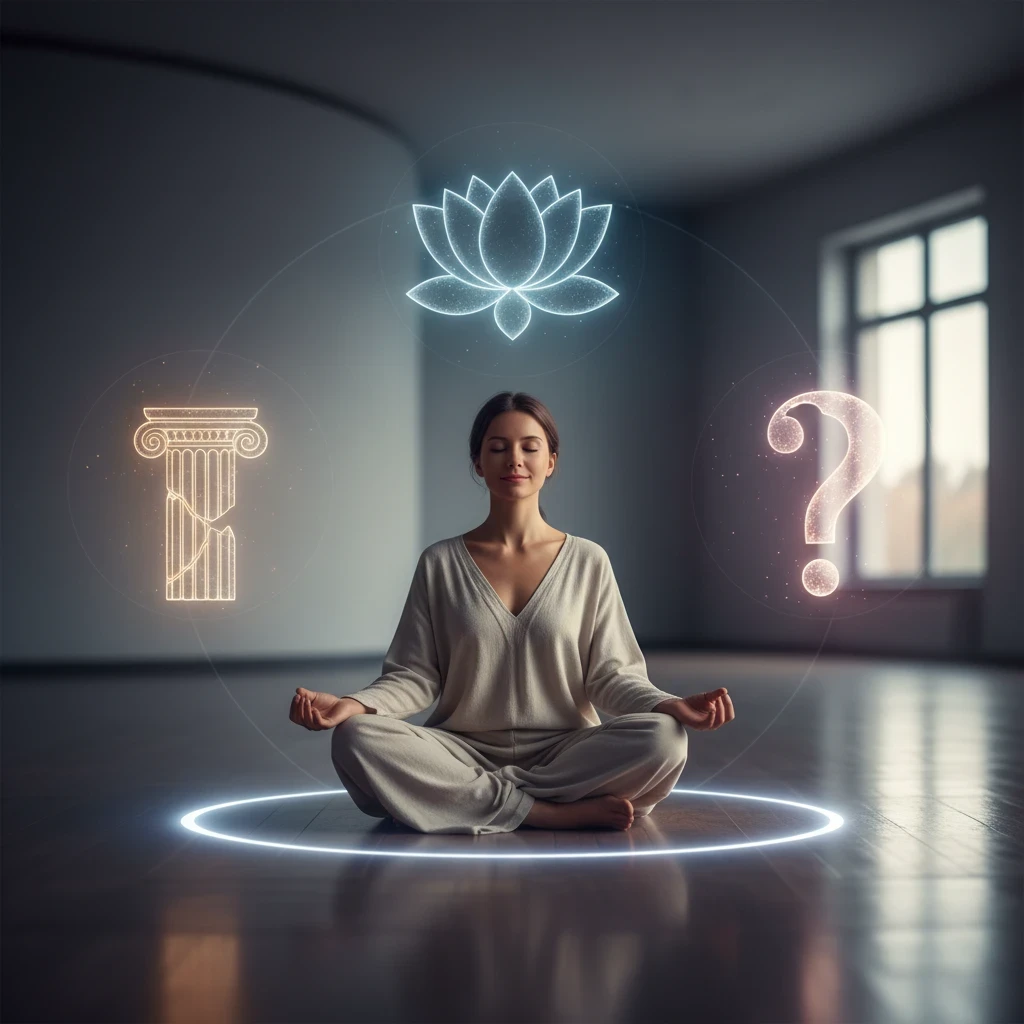
I sometimes get questions about whether Stoicism for emotional resilience clashes with practices like mindfulness, presence (à la Eckhart Tolle), or self inquiry (like those taught by Ramana Maharshi). Actually, they fit together pretty well. Here’s how I see it:
Stoicism gives you sturdy mental habits. You practice controlling your responses and choosing helpful thoughts. Presence frees you from always getting swept up by your thoughts—being aware of the mind without losing yourself in every story it tells.
Self inquiry is like the next level, asking “Who is the one experiencing this?” All three work together to build calm, clear, compassionate strength. If you want more on this combo, I’ve written about it in detail on my Presence vs. Mindfulness and How to Be Present in Everyday Life articles.
Spotting the Fake Stoic Trap
There’s one mistake I see a lot: trying to act “Stoic” by ignoring or suppressing how you feel. That’s not what the ancient teachers meant, and it’s not what I’m suggesting. True Stoicism for emotional resilience means feeling your feelings, but watching them closely. You allow anger, sadness, or fear, but you don’t let them boss you around or define who you are.
Numbing out or pretending to be above it all just builds up tension below the surface (and it’ll probably explode sooner or later). Instead, real resilience comes from being aware, conscious, and honest with yourself, choosing clarity, not coldness.
If you want a modern take that blends psychology with Stoic practice, this book is one of the most accessible and effective introductions to emotional resilience.
FAQ: Stoicism for Emotional Resilience
What is the main goal of practicing Stoicism for emotional resilience?
The goal isn’t to numb yourself or pretend you don’t care. Stoicism helps you build the inner stability to respond to life instead of reacting automatically. It trains your mind to stay clear and grounded when things get stressful, so you can act with intention rather than impulse. Emotional resilience grows naturally out of that clarity.
Does practicing Stoicism mean ignoring my emotions?
Not at all. This is one of the biggest misunderstandings. Stoics fully acknowledged emotions, they just didn’t let emotions run the show. In practice, it means noticing how you feel, giving it space, and then choosing your response consciously. It’s actually closer to mindfulness than suppression.
Can Stoicism help with anxiety or overthinking?
Yes, and in a very practical way. Stoicism teaches you to separate what you can control from what you can’t. Most anxiety lives in the “can’t control” zone. When you keep returning your attention to what’s actually in your hands, your mental noise drops. Stoic reframing also helps you challenge fearful thoughts instead of getting carried away by them.
How long does it take to build emotional resilience with Stoicism?
You’ll feel small changes quickly, sometimes within a few days, but deeper resilience comes from repetition. Think of it like strength training. Each time you pause before reacting, journal honestly, reframe a thought, or accept discomfort, you build mental muscle. A month of consistency can make a huge difference.
Is Stoicism compatible with mindfulness, presence, or spiritual practices?
Very much so. Stoicism builds mental habits. Presence teaches you to see thoughts as passing clouds. Self inquiry helps you notice the awareness behind all of it. They work well together because they each strengthen different layers of emotional stability. Many people naturally mix them without even realizing it.
Do I need to read ancient Stoic texts to benefit?
No. You can start applying Stoic principles without reading a single classic. But if you ever feel curious, Marcus Aurelius, Seneca, and Epictetus are surprisingly relatable once you get used to their style. Still, the real transformation happens in the small daily practices, not in memorizing quotes.
What’s one Stoic habit I can start today?
Try this: for the next 24 hours, whenever something bothers you, ask yourself, “Is this in my control?” If it is, take a small intentional action. If it’s not, take one slow breath and practice letting it be. Even one day of this can change how grounded you feel.
If you prefer to start with just one book that ties all of this together, this is the one I recommend most.
Emotional Stability as a Daily Practice
Building emotional resilience through Stoicism isn’t about flipping a switch. It happens bit by bit; each day you notice a trigger, each time you pause, each time you journal or pick up on your own habits. You might miss some days or fall back into old patterns (happens to me all the time), but just coming back to the practice is itself progress.
If you’re curious about blending Stoicism with presence, acceptance, and mindful living, you might really like my guides on How to Stop Overthinking or Pain-Body Work. You’ll also find more on my YouTube channel if you want to see these ideas in practice.
Try adding just one Stoic habit to your day. Watch how it feels to bring a little more calm and clarity to your emotions, and see which techniques fit you best. Emotional resilience grows on itself, and every honest step you take makes it a bit easier the next time you’re challenged. Stoicism for emotional resilience becomes more natural the more you practice it daily.

Chris is the voice behind Daily Self Wisdom—a site dedicated to practical spirituality and inner clarity. Drawing from teachings like Eckhart Tolle, Ramana Maharshi, and timeless mindfulness traditions, he shares tools to help others live more consciously, one moment at a time.Learn more about Chris →
Leave a Reply