Struggling against the twists and turns of life can leave you feeling worn out and stuck. Moving with the current instead of against it offers a sense of effortlessness, like a leaf riding on a river’s surface. This is the heart of the Tao of Flow. Finding that sweet spot where everything clicks, and life feels spacious, lively, and joyful is what it’s all about. By blending ancient Taoist wisdom with modern ideas about the flow state, the Tao of Flow is all about learning how to move with life’s rhythms instead of getting tangled trying to control them. I’m going to dig into what this looks like and give you practical steps for finding your own flow, both in your mind and in how you show up every day.

The Heart of Flow: What Flow Really Means
Flow state isn’t some mysterious woo-woo idea. It’s a well-studied mental zone known for deep focus, creativity, and feeling energized instead of drained. Hungarian psychologist Mihaly Csikszentmihalyi called flow “being completely involved in an activity for its own sake.” You get so caught up that time drops away and distractions lose their grip. Whether you’re painting, playing basketball, writing, cooking, or just having a meaningful conversation, flow feels like surfing the perfect wave where every move lines up effortlessly with what’s right in front of you.
Why do people crave flow? The short answer: It feels good. But there’s more to it; flow isn’t just about pleasure. It’s about connection, purpose, and actual growth. Flow brings out your potential, making activities feel rewarding and meaningful. Your mind stops racing, self-doubt fades, and you move with a sense of clear focus. That inner energy boost that comes from flow helps you even after the activity is done.
Taoist Wisdom: Effortless Action and Flow
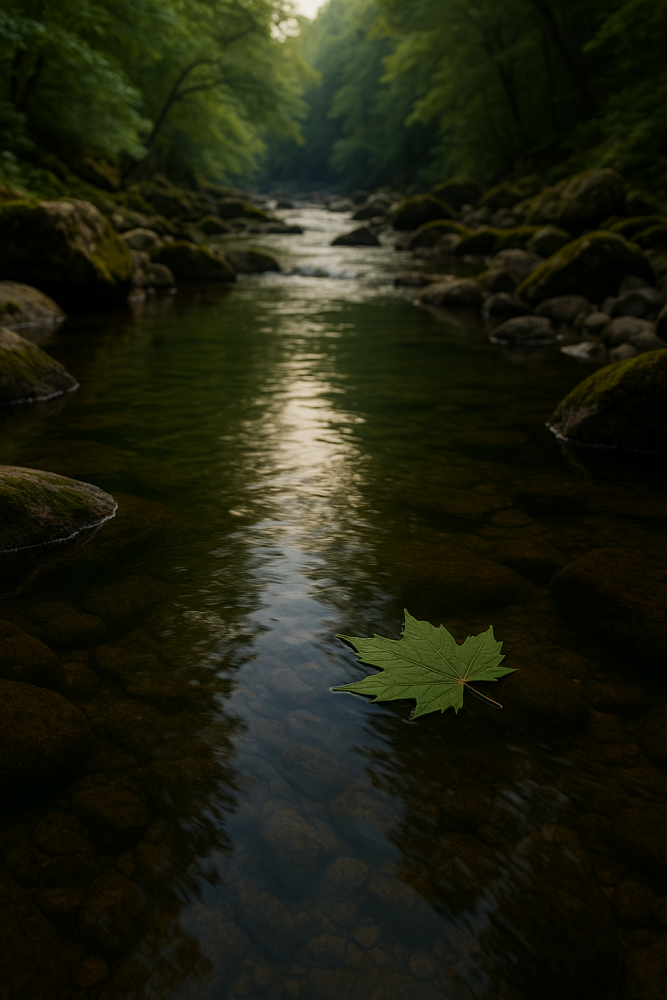
The Tao of Flow takes inspiration straight from Taoism and the ancient wisdom of the Tao Te Ching. Tao simply means “the way.” It’s the natural unfolding of life, the path that water takes as it slips around rocks and over obstacles. The Tao Te Ching talks about wu wei, which basically means “effortless action” or “doing without forcing.” Instead of trying to bend reality to your will, wu wei encourages moving with what’s already happening, responding as you go, and trusting that the current will take you where you need to be.
I like to picture this as water finding its way downhill. No matter what stands in its way—stones, roots, twists, and turns—water simply moves around it, never rushing, never fighting, always adapting. This is what the Tao of Flow is all about. When you line up with your own true nature and the real conditions around you, you find more energy by doing less pushing and more responding. Flow and Taoism both point toward presence, trust, and an ability to handle whatever comes next, because you’re working with life, not fighting it.
What Gets in the Way of Flow
Even when you know what flow feels like, it doesn’t show up every time you want it. Certain patterns drag you out of the current:
- Trying to control everything: Obsessing over results, plans, or tiny details creates friction and blocks the natural movement of your energy.
- Fear and doubt: Worrying about what might go wrong or thinking you’re not good enough freezes you up.
- Perfectionism: Chasing flawless results keeps you tense, always second-guessing, and rarely content in the moment.
- Overthinking: Being stuck in your head, analyzing every angle, makes it hard to get started or stay present.
It’s a lot like sitting beside a flowing stream but staring at the mud instead of letting yourself get into the water. Resistance usually pops up when you’re attached to outcomes, uncomfortable with uncertainty, or just worried about messing up. The more you can spot these habits, the easier it gets to drop them and return to the natural current of flow.
Practical Ways to Cultivate Flow
Flow isn’t something you can force, but you can create the right environment for it to show up. Here’s what tends to help:
- Set clear but flexible goals: Give your mind a clear direction without being rigid. Knowing what you’re aiming for helps focus your attention.
- Work with manageable challenges: Flow likes a sweet spot, right between boredom and overwhelm. Choose tasks that stretch you without snapping you.
- Start with a simple ritual: A deep breath, a clean workspace, or even lighting a candle signals to your mind that it’s time to drop in. These small pretask habits help settle scattered energy.
- Use mindful breathing: Pausing to breathe for a few cycles returns your mind to the here and now. Super useful if you catch yourself spiraling in thought.
- Sync with natural rhythms: Many people find that certain times of day, week, or year feel different. Notice when your mind and energy are sharp or soft, and work with those natural cycles instead of pushing nonstop.
- Surrender striving: Catch yourself when you start forcing or “grinding.” Remind yourself that effort and tension aren’t the same thing. Trust more, push less.
- Try microflow experiments: You don’t need hours of silence or a huge canvas. Try finding flow while washing dishes, walking the dog, or making coffee. Notice how small tasks become easier when you’re curious, relaxed, and fully present.
When I’m feeling disconnected or rushed, I like to pause, close my eyes, and imagine my mind as a river. Thoughts are leaves; some float by, others get stuck, but the water always keeps moving. This tiny reset makes it easier to get back into my work or whatever I’m doing. For more practical ways to bring this kind of presence into your day, you might enjoy How to Stay Present in Everyday Life.
Aligning with Natural Cycles
Taoist thinking pays a lot of attention to cycles and rhythms. Day and night, work and rest, effort and ease all play their part. Flow is more likely when you’re rested, nourished, and tuned in to your own natural patterns. This might mean not fighting your body when it’s tired, or scheduling focused work during your most energetic hours.
You can experiment with noticing when you feel naturally most awake, curious, or creative. This may be early in the morning when the world is quiet, late at night after everyone else is asleep, or in the afternoon after a walk outside. Matching your efforts to your energy instead of fighting the tide is a gentle way to stoke flow over the long run.
Letting Go of Forcing Outcomes
If you’re always gripping tightly to how you want something to turn out, it’s easy to get bogged down when things don’t go as planned. Practicing openness and lightness helps. Maybe you show up ready to do your best, but you leave a little space for surprise. This playful attitude gives flow room to show up naturally instead of running off at the first sign of trouble.
It also helps to remember that much of life is uncertain by nature. Learning to make peace with uncertainty forces you to relax your grip and allows more room for spontaneous creativity. This approach doesn’t mean you don’t care; rather, you allow the unfolding process to shape you instead of holding back waiting for the “perfect” moment or outcome.
Stories of Flow: Everyday Examples
Sometimes the best way to get into flow is through someone else’s story. Here’s one from my own life:
When I first started writing regularly, I’d agonize over every phrase. I’d rewrite sentence after sentence, looking for the perfect way to say things. My mind felt crunched, and writing was exhausting. One day, I gave myself permission to write badly, just to focus on keeping the words moving without editing. By the end of that session, I’d written twice as much as usual. More importantly, the ideas came out clearer, and fixing them up afterward actually felt fun. The lesson stuck; stepping back and embracing a little imperfection allowed flow to take the wheel.
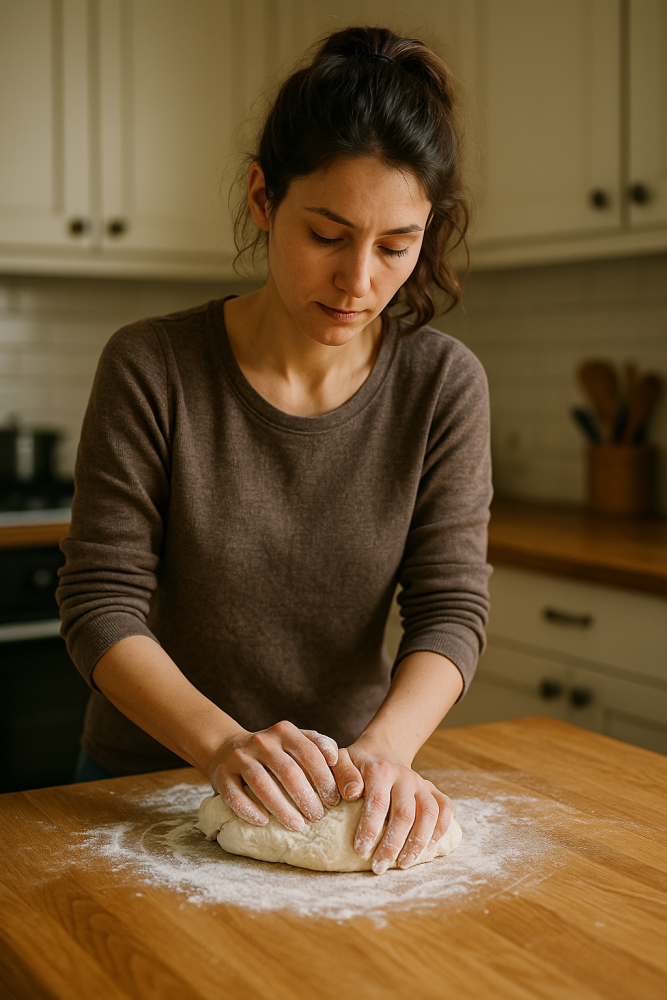
Another example I’ve seen is with a friend who loves to bake bread. On busy weeks, she’d rush and cut corners, and the loaves turned out dense or flat. But on weekends, she’d move slowly, enjoying the sound of dough slapping on the counter and taking in the scent of rising yeast. Those were the times she’d pull golden, perfect loaves from the oven without even trying, she said. Being present, playful, and unhurried made all the difference for her, which is flow in action.
You might stumble upon flow in your own daily routines without realizing it. Try remembering the last time you were so absorbed in a hobby or task that hours slipped by without stress or fatigue. That’s flow showing up in its purest form, and the more you remember and invite it, the easier it becomes to spot and nurture.
Flow and Abundance: How Inner Ease Becomes Outer Success

It’s easy to think that being relaxed or going with the flow means you won’t get anything done. But the real experience is the opposite. When you line up with the Tao of Flow, you unlock creative energy, come up with fresh ideas, and handle problems with a calm that impresses even you. Being in flow often leads to breakthroughs. A new solution pops out of nowhere, a better way to do something shows up, or you notice opportunities you’d usually miss.
- Creativity: When you’re present and relaxed, your mind makes new connections effortlessly. That’s when painting, writing, coding, or cooking feels light and inspired, not like a slog.
- Problem solving: Flow makes you flexible, so when things go sideways, you adjust instead of getting stuck. It’s the mental equivalent of water finding a new path around a boulder.
- Prosperity: There’s a Taoist saying, “When you stop chasing after what you want, it comes to you.” By relaxing your grip and aligning with what’s working, you start to notice resources, connections, and chances to grow that you’d overlook if you were tense or tunnel visioned.
If you’re curious how mindfulness connects to living with more ease and clarity, you’ll find related insights in our guide on Presence vs. Mindfulness – What’s the Real Difference?
What to Do When You Lose Flow (Because It Happens!)
No one stays in a perfect flow state all day. Life interrupts, emails pop up, you get distracted, or your mind does that restless squirrel thing. Falling out of flow is normal, not a sign you’re failing. The trick is what you do next:
- Pause and breathe: A single slow inhale and exhale can reset your nervous system. Sometimes that’s all it takes to clear mental clutter.
- Reset your space: Clutter, noise, or an awkward chair might be blocking you. Straighten up, move to a quieter corner, or open a window. Simple changes can switch up your mood.
- Switch tasks: If you’re banging your head against the same wall, switch up the activity. Do something simple, like doodling, taking a short walk, or making tea. Often, flow sneaks back once you’ve let go.
- Forgive yourself: Beating yourself up isn’t helpful. Smile, admit you got stuck, and try again. Flow loves a playful attitude.
I’ve found that just naming when I’m stuck (“Wow, I’m really out of flow right now”) breaks the tension. Naming the feeling gives you some breathing room, which can be enough for things to loosen up naturally.
Living the Tao of Flow Daily
Building a flow friendly life means weaving in practices that bring presence, calm, and focus. Here are some simple habits that make a difference over time:
- Morning rituals: Journal for a few minutes, stretch, or just sip coffee slowly while watching the world wake up. Intentional mornings set the tone for flow later in the day.
- Mindful breaks: Step away from your desk to look at the clouds, breathe deeply, or walk outside. These little resets help your mind stay clear and focused.
- Journaling prompts: Try ending your day with “When did I feel most in flow today?” or “What felt like resistance?” Self reflection lets you spot patterns and see progress.
- Digital boundaries: Silence notifications for an hour when you really want to sink into something. Fewer interruptions equals more flow.
Over time, you’ll find your own favorite ways to encourage flow. Maybe it’s music, a certain workspace, or small creative experiments. The more you practice catching yourself when you slip out of flow and gently returning, the easier it gets. Living the Tao of Flow can turn everyday moments into chances to feel alive, creative, and connected, without chasing perfection.
Frequently Asked Questions
Here are some common questions about the Tao of Flow, Taoism, and how to work with flow in daily life:
What does Taoism teach about flow?
Answer: Taoism teaches that fighting against the natural way of things creates struggle. Practicing wu wei, or “effortless action,” allows you to move with life’s currents, adapting skillfully to whatever happens. Flow, in this sense, is about being present, relaxed, and engaged with reality as it is.
How is flow different from mindfulness?
Answer: Mindfulness is about noticing and accepting whatever is happening right now, whether you feel scattered or focused. Flow is the joyful, focused state that often emerges from mindfulness when you’re deeply involved in an activity. Mindfulness sets the stage; flow is what happens when everything syncs up.
Can anyone experience flow, or do you need special skills?
Answer: Anyone can experience flow. Kids, adults, beginners, or experts; you don’t need to be an artist or pro athlete. Flow happens most easily when you match your skills to a challenge that stretches you just enough. The key is staying curious, relaxed, and open.
How can I use flow to improve daily life and work?
Answer: Start by noticing activities that pull you in naturally—ones where time disappears or you find yourself having fun. Bring more of those into your day, and gently nudge distractions out. Setting clear goals, taking mindful breaks, and letting go of perfectionism all help you find flow in work, chores, and creative play.
The Tao of Flow is not about forcing life into shape. It is about learning to ride its currents with presence and ease. When you do, creativity, joy, and resilience naturally follow. If you are ready to take the next step, read our guide on How to Stay Present in Everyday Life and start practicing flow in the moments that matter most.
If the Tao of Flow opened something in you, you might enjoy a broader map of ancient teachings reimagined for our lives today. Check out Ancient Wisdom for Modern Life to explore how Taoism, Stoicism, Zen, Buddhism and more can support presence, resilience, and ease.
Chris is the voice behind Daily Self Wisdom—a site dedicated to practical spirituality and inner clarity. Drawing from teachings like Eckhart Tolle, Ramana Maharshi, and timeless mindfulness traditions, he shares tools to help others live more consciously, one moment at a time.Learn more about Chris →
Leave a Reply